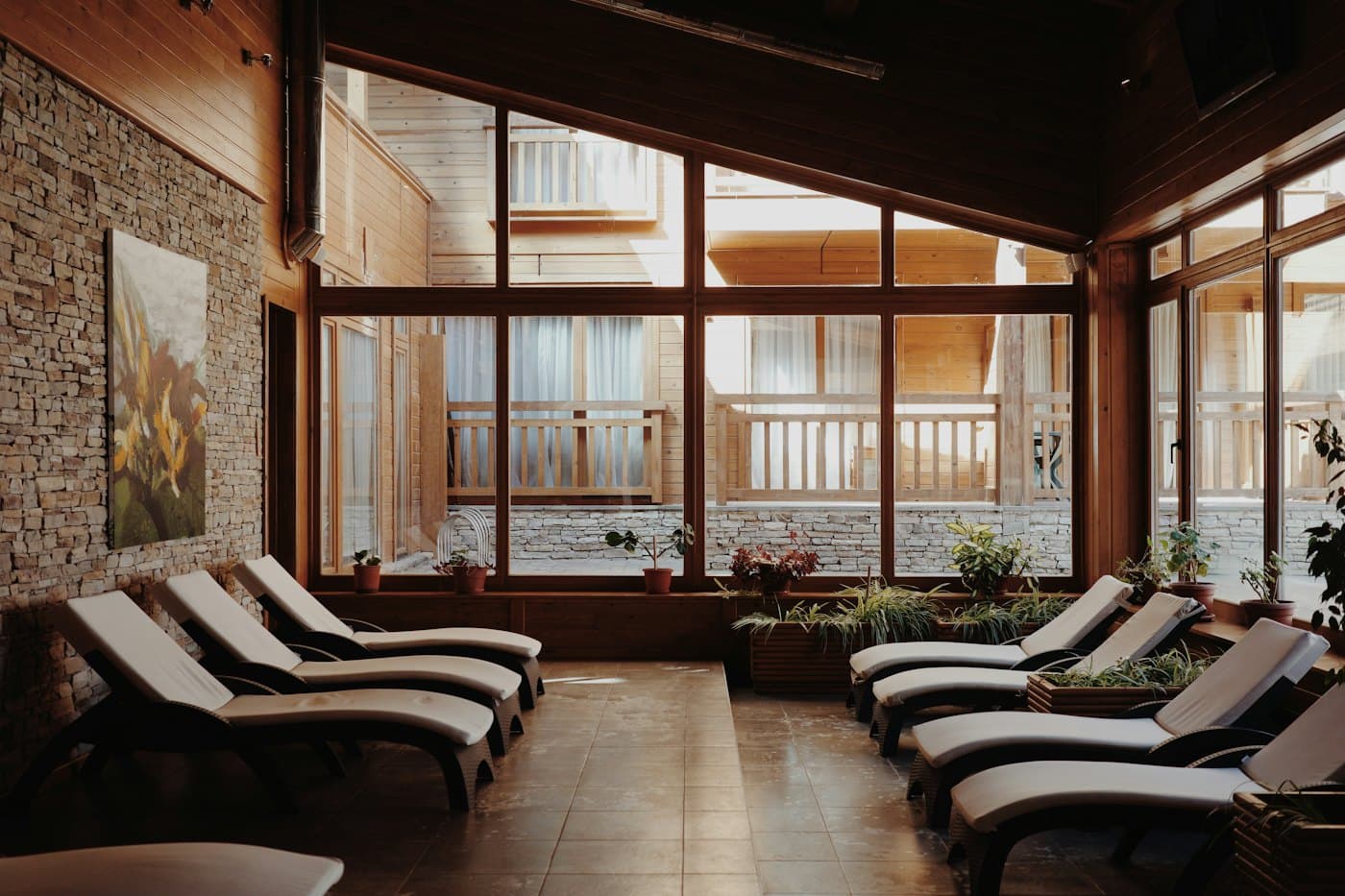
Sofitel Legend Metropole Hanoi
★★★★★ French Quarter
9.5
6,720 reviews
One of Asia's finest historic hotels. French Quarter, Hanoi.
heritagepoolsparomantic
from US$330 / night
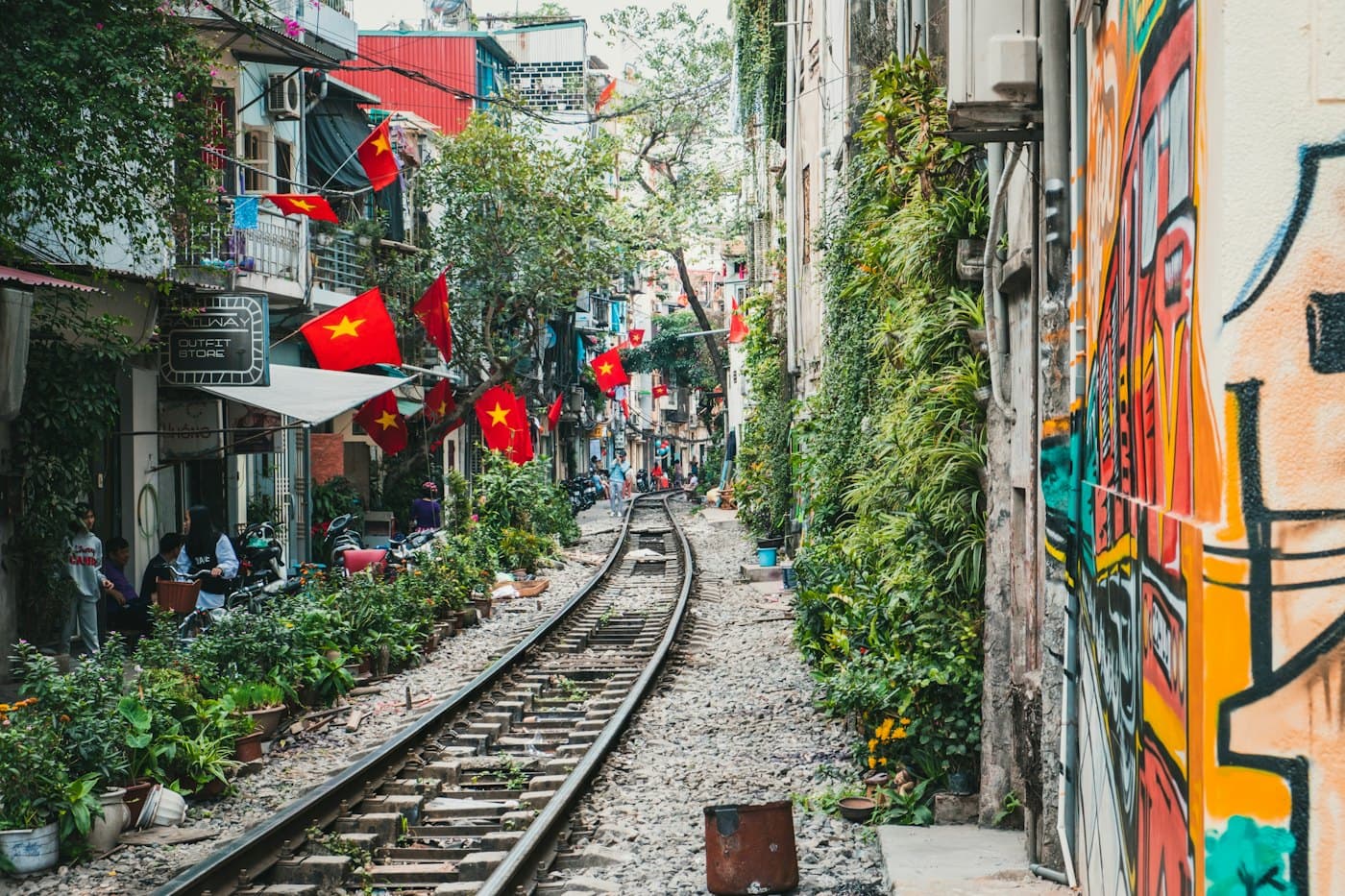
Vietnam
Lakeside calm, Old Quarter chaos and street-food heaven
Best time: October to December and March to April are the most comfortable. Summers are hot and humid; winters can be cool and grey.
Getting around: Walk the Old Quarter, then use ride-hailing for longer trips. Day tours to Ha Long Bay and Ninh Binh are easy to arrange.
Hanoi is smaller and calmer than Ho Chi Minh City, with a strong sense of history. Narrow shophouses fill the Old Quarter, wide French-built avenues lead to quiet parks, and Hoan Kiem Lake gives the centre a green heart. Food is a main reason to come, from noodle soups to grilled pork with vermicelli and coffee brewed with egg. Many of the best meals cost very little and are eaten on small plastic stools at the roadside.
Hotels in Hanoi are known for warm, personal service. Small boutique properties, often family-run, offer attention to detail that is hard to find in bigger cities, and prices remain modest. Staff will often help with tours, tickets and restaurant tips, and many hotels serve a generous breakfast. This guide helps you choose the right neighbourhood and plan a trip that fits the season and your budget.
The Old Quarter is the most atmospheric area and the best base for a first visit. Streets are named after the goods once sold there, markets and food stalls are everywhere, and many attractions are within walking distance. It is noisy and crowded, with motorbikes and street vendors all day and live music in the evenings, so a hotel on a side lane or with good soundproofing is worth seeking out. Rooms here are often narrow, and many hotels are tall and thin, so check whether there is a lift.
The French Quarter, south of Hoan Kiem Lake, has wider streets, colonial buildings, the opera house and many of the city's best luxury hotels. It is more relaxed than the Old Quarter but still central, with elegant cafes, museums and good restaurants close by. The pavements are easier to walk, and the atmosphere is calmer at night. It suits couples, business travellers and anyone who values comfort, and it is only a short walk from the lake and the Old Quarter.
West Lake, or Tay Ho, is a quieter, residential area with lakeside cafes, temples and larger resort-style hotels. It is a good choice for longer stays or travellers who prefer a calm place to return to after a busy day, and it is popular with expatriate residents, so there is a good range of international restaurants. It is a taxi ride from the centre, so it works best if you are happy to use ride-hailing for sightseeing.
Ba Dinh, home to the main historical sites and government buildings, has a few good hotels and is pleasant for early-morning walks among wide avenues, parks and old trees. It is quieter than the Old Quarter and is well placed for the main historical sights, though restaurants and nightlife are more limited. It suits travellers who want a peaceful, traditional atmosphere and are comfortable taking short rides to other areas.
Hai Ba Trung and the streets around the railway and the main lakes offer good mid-range hotels, local restaurants and markets away from the tourist crowds. It is a practical choice for travellers who want lower prices, a local feel and easy access to the centre by a short ride. For budget travellers, there are also plenty of hostels and guesthouses in and around the Old Quarter itself.
Ranked by guest scores, location and overall value. Prices are indicative nightly rates.
One of Asia's finest historic hotels. French Quarter, Hanoi.
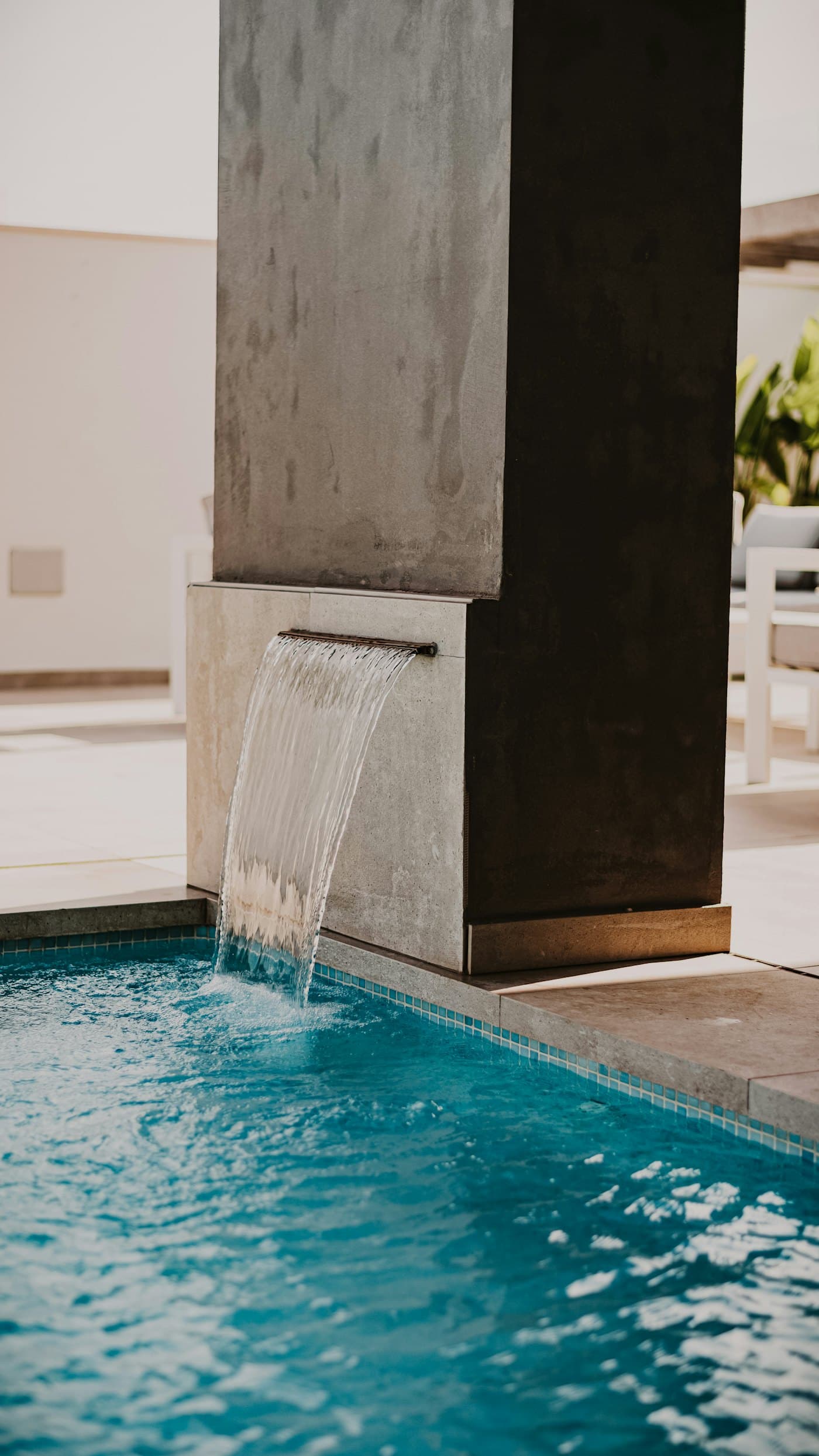
Opera-inspired interiors and warm, anticipatory service. Hoan Kiem, Hanoi.
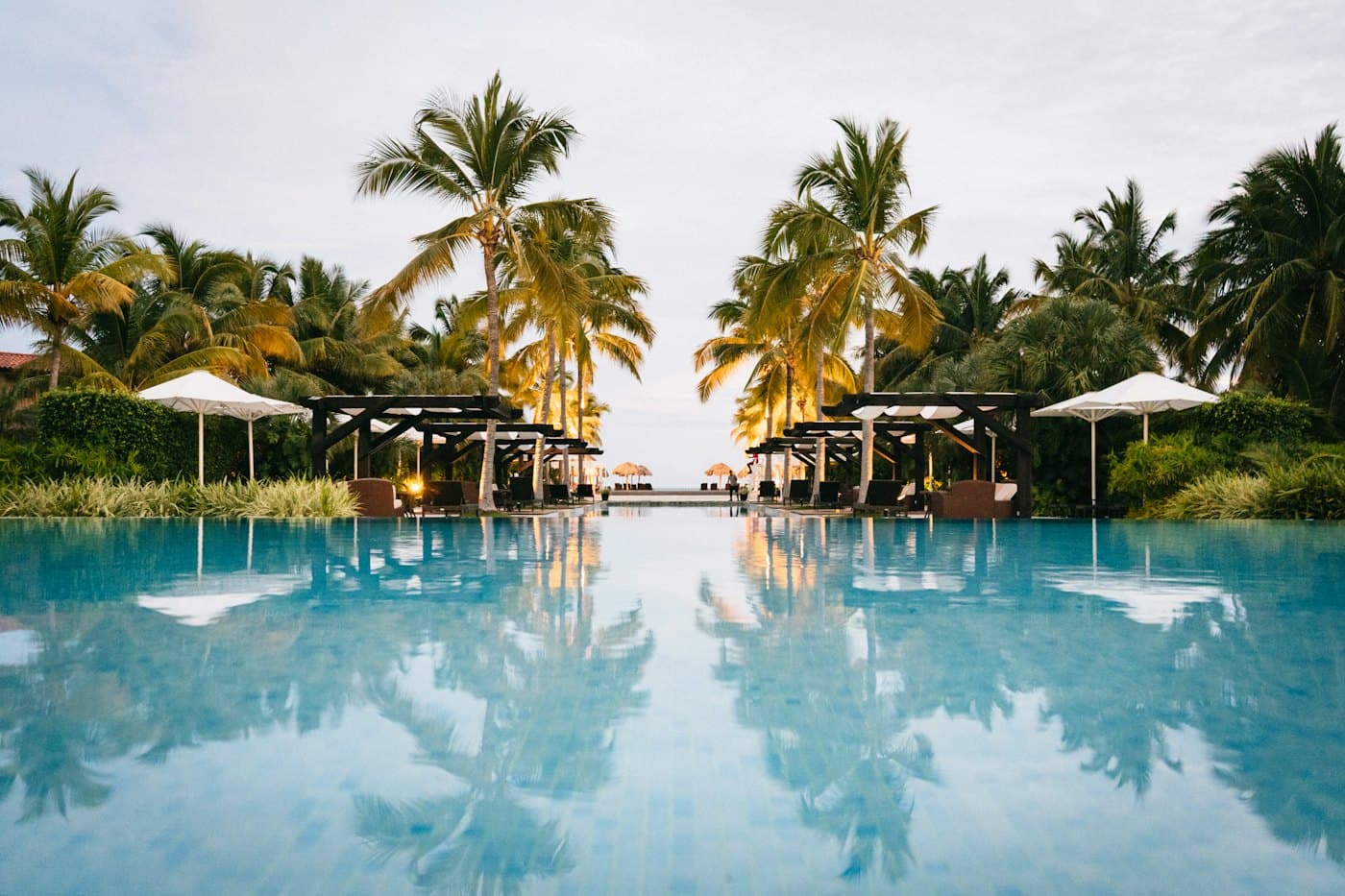
A lake-top retreat with over-water villas. West Lake, Hanoi.
A skyscraper stay with an observation deck. Ba Dinh, Hanoi.
Tranquil boutique near the lake with generous breakfast. Old Quarter, Hanoi.
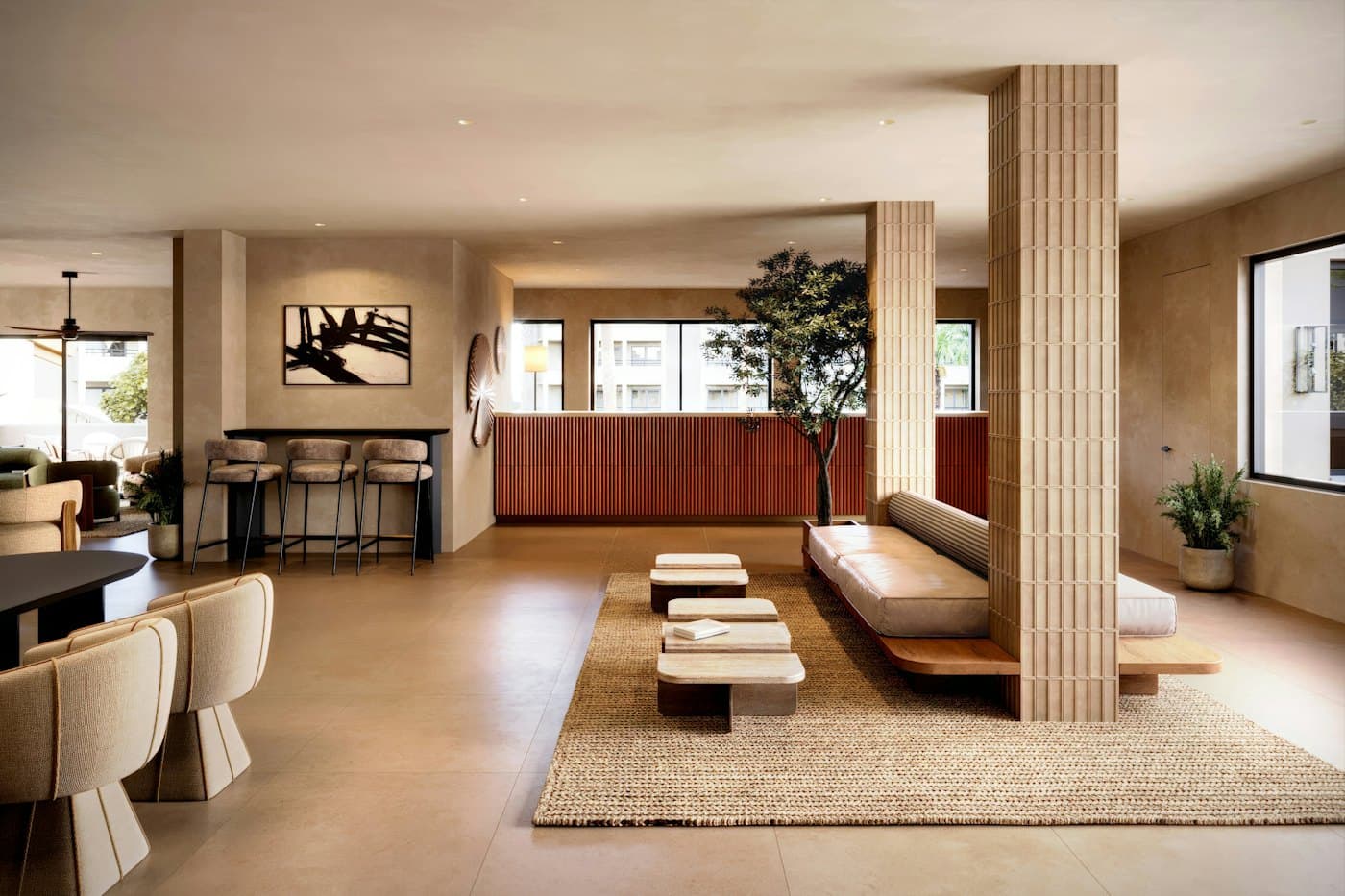
Attentive service in the heart of the old streets. Old Quarter, Hanoi.
Great service and rooftop views at a low price. Old Quarter, Hanoi.
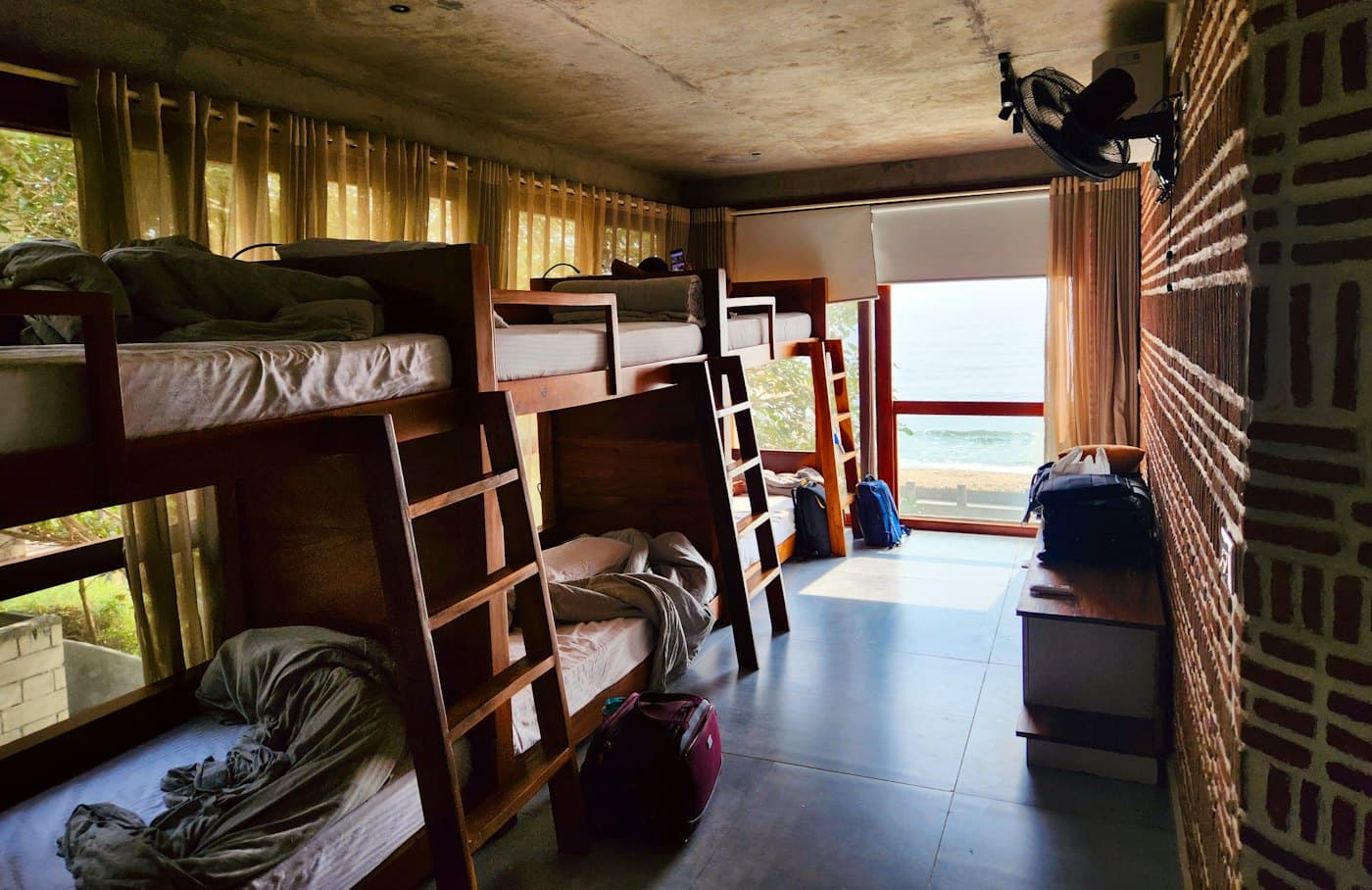
Famous party hostel with a lively bar. Old Quarter, Hanoi.
Autumn, from about October to December, and spring, from March to April, are the most pleasant seasons. Summer is hot, humid and wet, with heavy afternoon storms, and winter can be cool, grey and damp, so pack a jacket. If you plan to visit Ha Long Bay or Ninh Binh, clear weather in autumn and spring is a real advantage, because mist can reduce views in the cooler months.
The Lunar New Year holiday, usually in late January or February, is festive, but many shops and restaurants close and transport is very busy, so plan ahead. Weekends are also lively around the lake, when some streets close to traffic and become pedestrian areas full of families and street performers.
The international airport is about 45 minutes from the centre by car, and hotels can arrange transfers. Ride-hailing, licensed taxis and airport buses are all available. Allow extra time for traffic, particularly at rush hours and when you have an early flight to catch.
In the city, you can walk the Old Quarter and the lake area, and ride-hailing cars and motorbikes cover longer trips. Buses and urban rail lines serve some routes but are less convenient for visitors. Crossing the street takes practice: move slowly and steadily, and let motorbikes pass around you. Day trips to Ha Long Bay, Ninh Binh and Sapa are popular and easy to book through your hotel. Some routes are long, so consider an overnight stay for the more distant destinations.
Hostels and guesthouses often start from around US$8 to US$20 a night, good boutique and mid-range hotels from about US$35 to US$90, and luxury hotels from roughly US$120 upward. Prices vary by season and demand, and the Old Quarter is generally the most expensive area per square metre of room space, while West Lake and Hai Ba Trung can offer better value.
For a first visit, stay near Hoan Kiem Lake. Ask about noise levels and whether rooms have windows, since some Old Quarter rooms are windowless. Many hotels will help organise tours and transfers, and the best ones give excellent local advice. Allow extra time for traffic when travelling to and from the airport. Read recent reviews carefully, and check how the hotel handles tour bookings, since some partner with unreliable operators.
Day 1: Start with a walk around Hoan Kiem Lake in the early morning, when locals exercise and the air is cool. Cross to the small temple on the water, then lose yourself in the Old Quarter, following the lanes named for the trades once practised there. Have a bowl of noodle soup for lunch and visit a market in the afternoon. In the evening, watch a traditional water puppet show, then try grilled pork with noodles for dinner and finish with egg coffee. Wear comfortable shoes and carry cash for small purchases at the stalls.
Day 2: Visit the historical sites in Ba Dinh in the morning, including the mausoleum complex and the nearby pagoda on a single pillar, then continue to the ancient university, the Temple of Literature, with its peaceful courtyards. Check opening days before you go, because some sites close on certain days. After lunch, visit the old prison museum or the museum of ethnology to learn more about the country's past and its many peoples. In the evening, walk along the lake or sip a drink at a rooftop bar with views of the old streets.
Day 3: Take a day trip out of the city. Ninh Binh, about two hours away, offers limestone cliffs, rice fields and quiet boat rides along a river among caves. Alternatively, choose a Ha Long Bay cruise, which is best done as an overnight trip. Leave early, bring sun protection, and wear shoes you can walk in. If you prefer to stay in the city, explore the quieter streets of West Lake, visit the pagodas and enjoy a relaxed lakeside lunch. Return for a final dinner and some shopping for silk and handmade crafts.
Couples: A boutique hotel in the French Quarter or by the lake offers a romantic and elegant setting. Choose a room with a view or a quiet side street, and consider a spa treatment or a dinner at a rooftop restaurant.
Families: A larger hotel in the French Quarter or West Lake with family rooms and a pool gives children space to relax. West Lake is calmer and has parks and cafes, while the Old Quarter puts you close to the sights.
Solo travellers: The Old Quarter has social hostels, food tours and easy transport to day trips. Choose a well-reviewed place with a communal area and a central address, and join a guided evening food tour to meet others.
Budget travellers: Hostels and guesthouses in and around the Old Quarter provide a bed and breakfast at low prices. Hai Ba Trung offers cheaper rooms in a more local setting, a short ride from the centre.
Business travellers: The French Quarter offers upscale hotels with meeting facilities and a short walk to cafes and restaurants. West Lake and serviced apartments suit longer stays, with quieter surroundings and a good choice of international dining.
Travel in the hot summer months, when rates are often lower, or book a room slightly outside the Old Quarter, where prices fall quickly. Look for rates that include breakfast, and ask whether the hotel offers a free airport pickup for longer stays. Eat at local stalls and small restaurants, where a filling meal costs very little, and share dishes to try more. Walk whenever possible, since the centre is compact, and use a ride-hailing app for longer distances so that the fare is clear before you start. Compare tours from several operators, and book through your hotel or a well-reviewed agency. Many museums and temples have low entry fees, so a full day of sightseeing need not be costly.
Hanoi is generally safe, but petty theft such as bag snatching can occur, so keep your phone and bag secure and away from the road. Agree the price before taking a motorbike or a cycle rickshaw, or use a ride-hailing app. Be cautious with strangers who offer unrequested help or lead you to a particular shop, and avoid unlicensed taxis.
Dress modestly when visiting temples and pagodas, covering shoulders and knees, and remove your shoes where asked. Speak quietly in religious places and ask before photographing people. Bargain politely in markets, with a smile, and accept that some prices are fixed. Carry some cash for small purchases and street food, although cards work in larger hotels and restaurants. Drink bottled water, choose busy food stalls, and be careful when crossing the street. In winter, pack a warm layer, because rooms can feel chilly and damp.
The Old Quarter or the streets near Hoan Kiem Lake for first-timers, because the main sights, food and markets are within walking distance. The French Quarter is better for luxury hotels and quieter streets, while West Lake suits longer stays and travellers who prefer a calm, residential setting.
Two to three days is enough for the city centre, its museums, markets and food. Add a night or two for Ha Long Bay or Ninh Binh, and more if you plan to visit the northern mountains. A slower pace lets you enjoy cafes, lakeside walks and long meals.
Yes. It is compact, friendly and full of social hostels and guided food tours. The Old Quarter is easy to walk and busy until late. Use common sense at night, keep your phone and bag secure, and choose accommodation with good recent reviews from other solo guests.
Hot, wet summer months can offer lower rates, but autumn and spring offer the best weather and are worth the extra cost. Prices also rise around public holidays and the Lunar New Year, so compare dates and book early for those periods.
Often yes, particularly on main streets at night, with motorbikes, vendors and bars. Choose a hotel on a side lane or one with good soundproofing, ask for a higher floor and check reviews for comments about noise. Earplugs are a useful, cheap addition to your packing list.
Pack according to the season. Light, breathable clothing suits summer, while winter calls for a jacket and layers because it can be damp and cool. Bring comfortable walking shoes, a compact umbrella, sun protection and modest clothing for temples, plus a secure bag for your phone and valuables.
Ninh Binh works well as a day trip, about two hours each way. Ha Long Bay is a longer journey, so a day trip is rushed, and an overnight cruise is a better way to enjoy it. Your hotel can arrange tours, but compare operators and read recent reviews first.