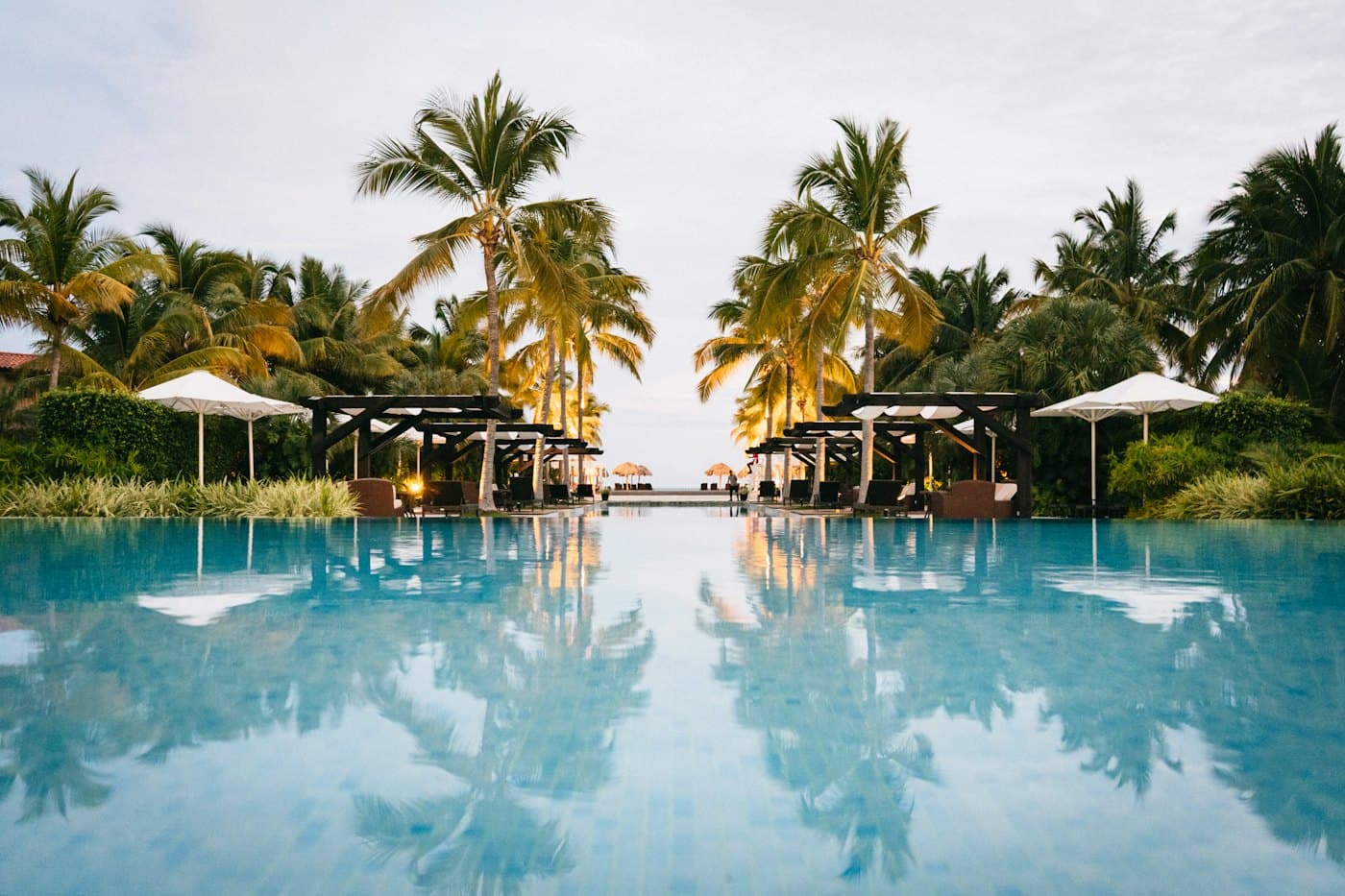
Mandarin Oriental Bangkok
★★★★★ Riverside
9.2
5,120 reviews
A legendary riverside address with old-world service. Riverside, Bangkok.
riversidespapoolromantic
from US$360 / night
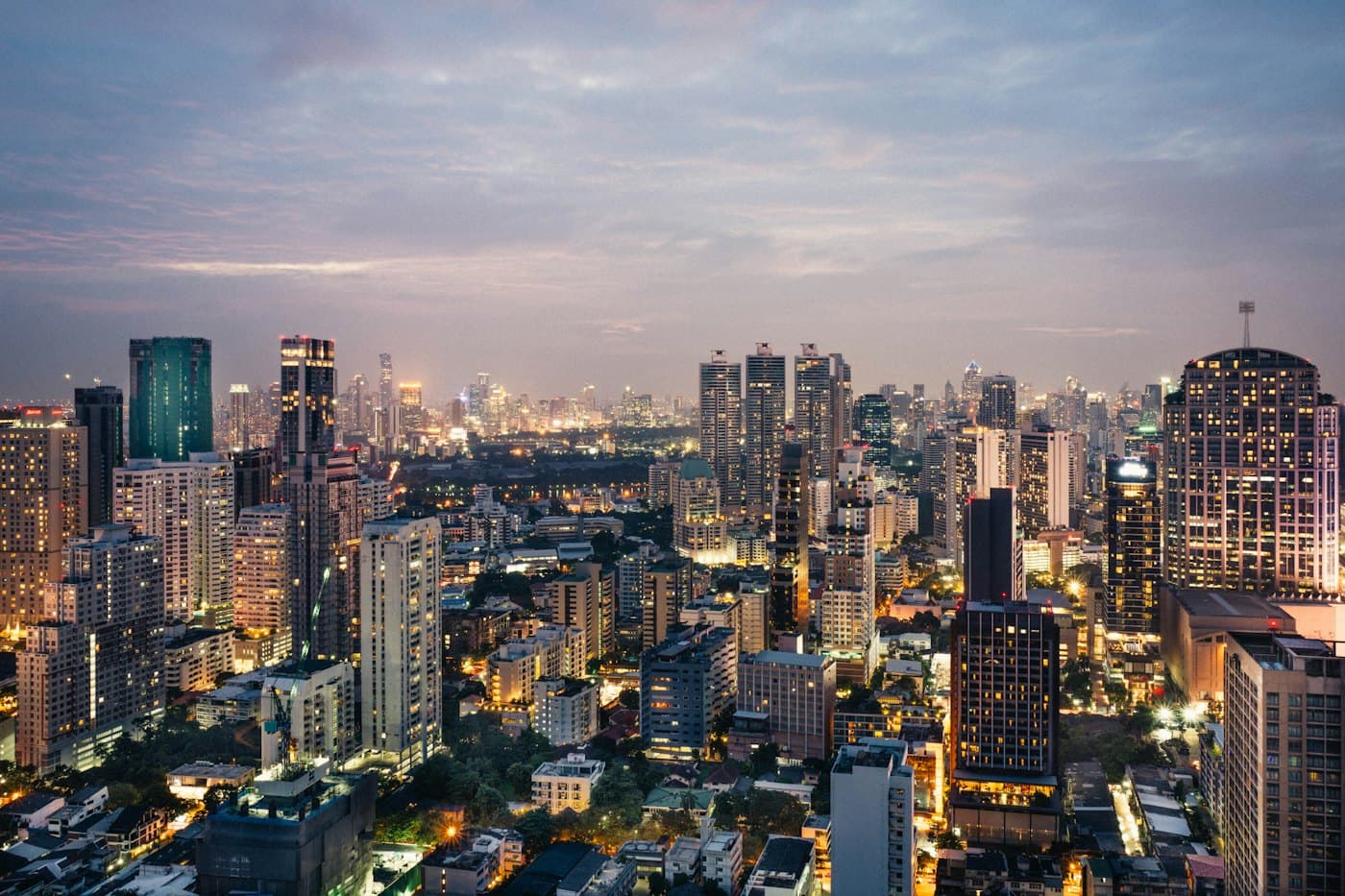
Thailand
River palaces, street food and rooftop skylines
Best time: November to February is the coolest and driest stretch. March to May is hot; June to October brings short, heavy showers.
Getting around: The BTS Skytrain and MRT cover most visitor areas. River boats beat traffic on the Chao Phraya, and taxis are cheap if you insist on the meter.
Bangkok is one of the few big cities where a luxury weekend and a backpacker week are equally easy to plan. The city is huge and busy, yet it is also generous: street food costs very little, river boats and trains cover many of the main sights, and hotels at every level tend to offer more for the money than in most other capitals. Few places pack so much variety into a single trip, from gilded temples and quiet canals to rooftop bars and sprawling night markets.
The practical advice is to treat Bangkok as several small cities rather than one. The old royal district, the riverside, the shopping streets around Siam and the long, restaurant-lined avenue of Sukhumvit each have their own character. Choosing a hotel in the right one saves hours in traffic and makes the whole trip feel calmer. This guide walks through the main areas, the seasons, the transport, the budget and the small habits that make a stay smoother.
Riverside is the classic choice for a special stay. Several of the city's best-known luxury hotels sit along the Chao Phraya River, and many run their own boat shuttles to the nearest Skytrain station. You trade some convenience for atmosphere: evenings are quiet, the views of boats gliding past at sunset are memorable, and a short ride reaches the temples and old streets. Expect gardens, big pools, excellent spas and some of the finest hotel dining in the city. It is ideal for honeymoons, anniversaries and anyone who wants a calm retreat in the middle of a loud city.
Sukhumvit is the easiest base for first-time visitors. It has the widest range of hotels, direct Skytrain and metro access, plenty of restaurants and bars, and a good choice of mid-range options. The avenue is long, so the feel changes along it: the lower-numbered sois are lively and international, while the stretch further out is calmer and more residential, with local cafes and markets. Look for a hotel within a five-minute walk of a station, since traffic on the main road can be slow, and choose a side street if you want a quieter night.
Siam and Ploenchit put you next to the big shopping malls, with air-conditioned walkways, a central Skytrain interchange and several design-led towers. This is the most convenient area in the heat of the day, because you can pass between malls, food courts and stations without stepping outside for long. It works well for families who want pools and easy meals, and for shoppers who plan to spend serious time browsing. Nights are livelier than you might expect, though the area is less atmospheric than the old town or the river.
Silom and Sathorn mix business hotels with lively nightlife and some of the best street food in the city after dark. Rates are often lower than in Sukhumvit for similar quality, and the area is well served by both the Skytrain and the metro, with a river pier within reach. Lumphini Park offers a green escape for morning walks or a slow afternoon, and there is a good spread of restaurants from simple noodle stalls to refined dining rooms. It suits business travellers and anyone who wants good value near the centre.
Old City, around Rattanakosin and the streets near the Grand Palace, is the best fit for budget travellers who want to be among the temples. Guesthouses and small boutique hotels fill the lanes, and the neighbourhood has a slower, older feel with canal-side shops and market stalls. You will rely on boats, taxis and ride-hailing for the rest of the city, since there is no Skytrain here, and you should expect narrow streets and a simpler standard of room. The reward is waking up close to some of the most famous sights in the country.
Ranked by guest scores, location and overall value. Prices are indicative nightly rates.
A legendary riverside address with old-world service. Riverside, Bangkok.
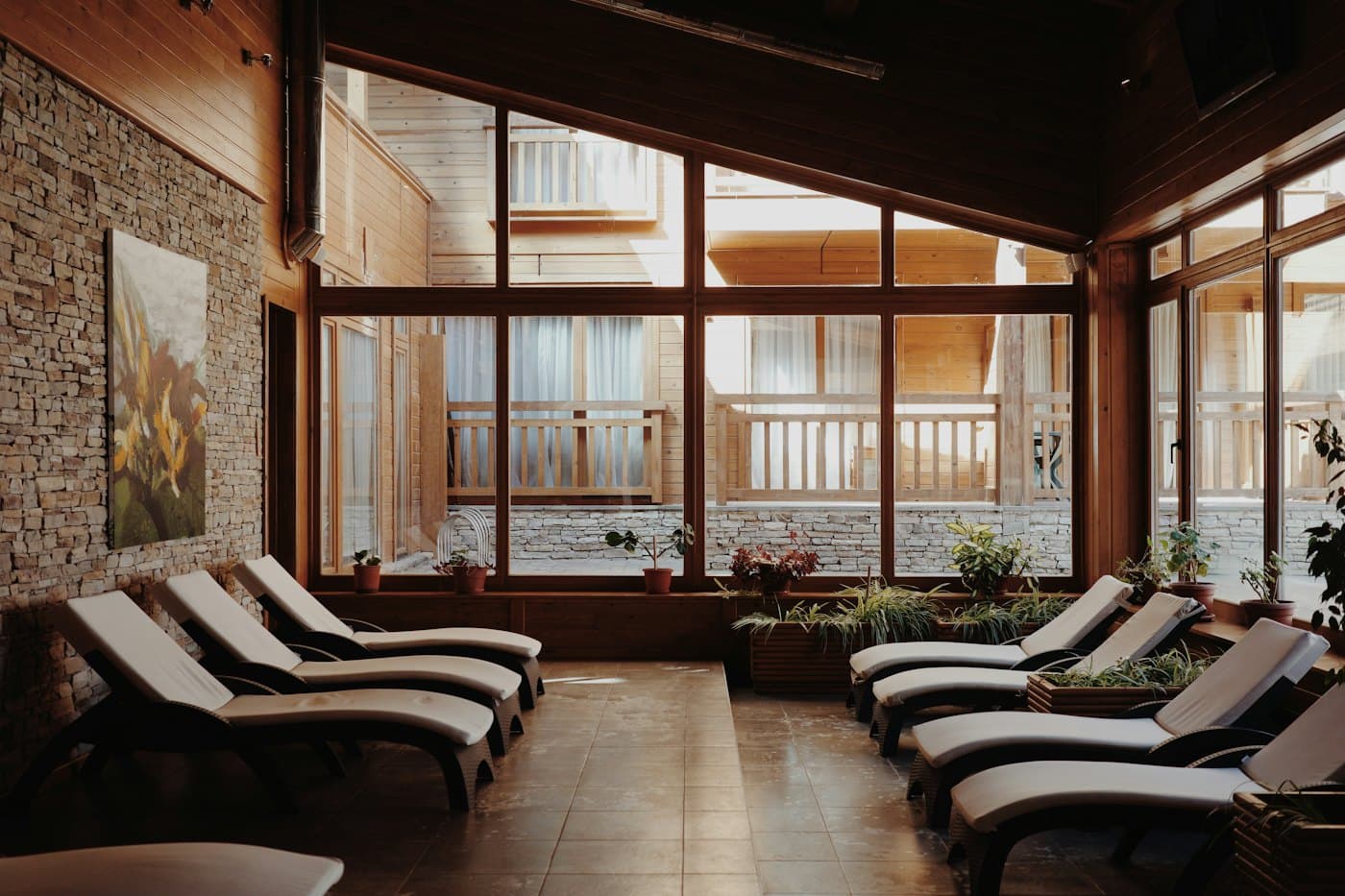
River-view rooms and a famously relaxed pool terrace. Riverside, Bangkok.
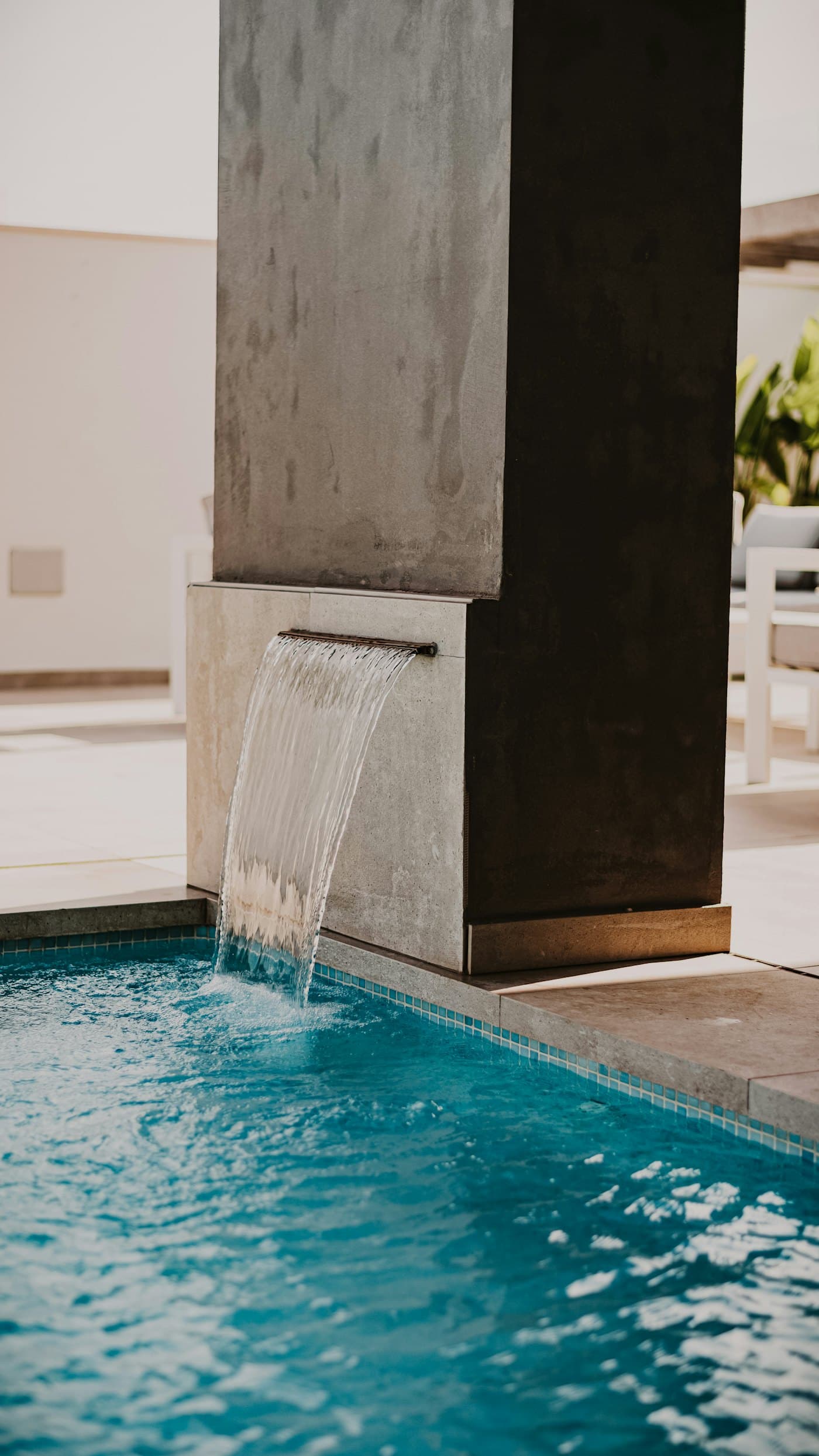
Sky-high rooms above the city's shopping district. Ploenchit, Bangkok.
A resort-style oasis in the middle of the malls. Siam, Bangkok.
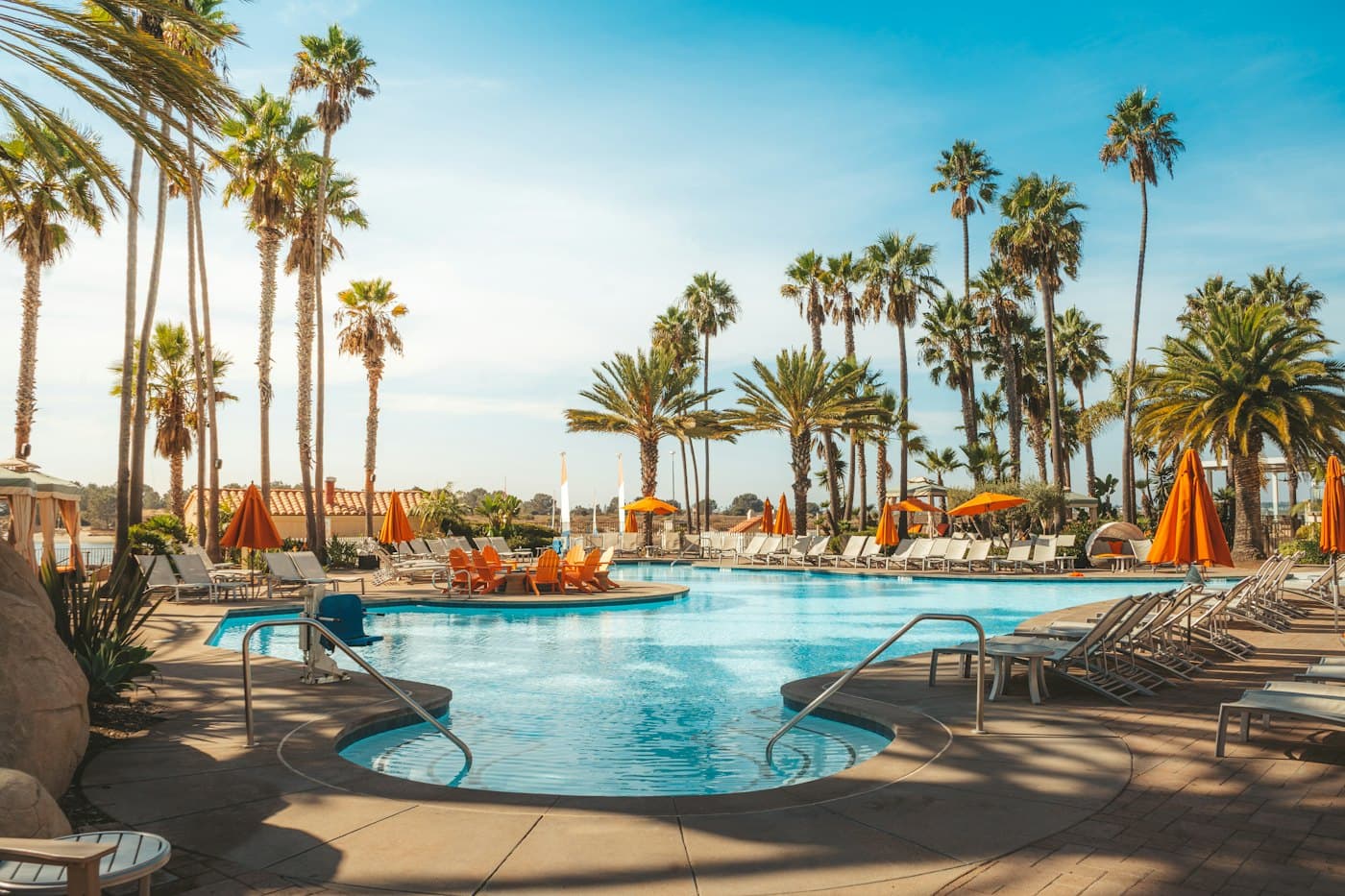
French polish and an easy walk to the BTS. Sukhumvit, Bangkok.
A good-value base for the Silom and Sathorn scene. Sathorn, Bangkok.
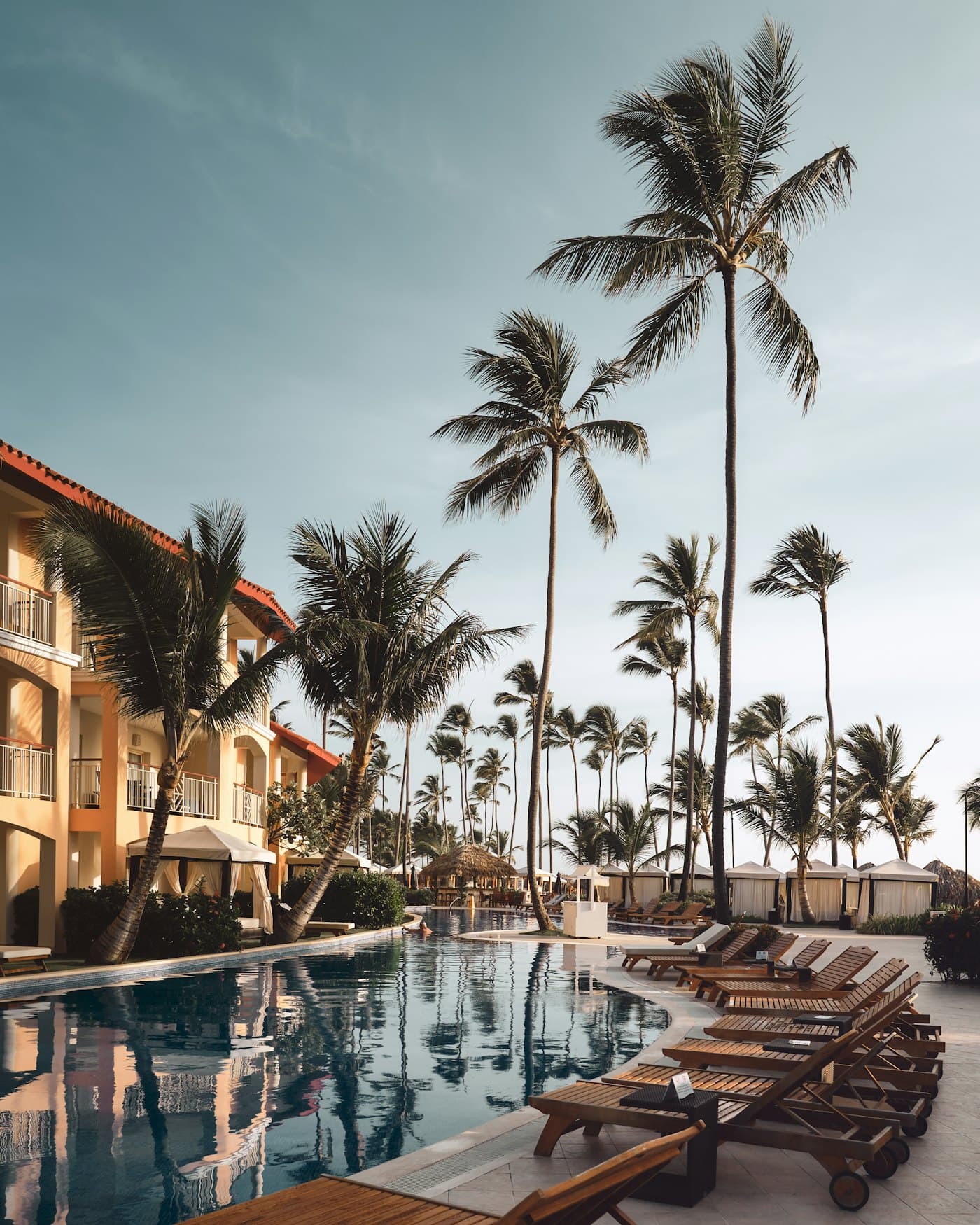
A simple, clean choice with views over the river. Charoen Nakhon, Bangkok.
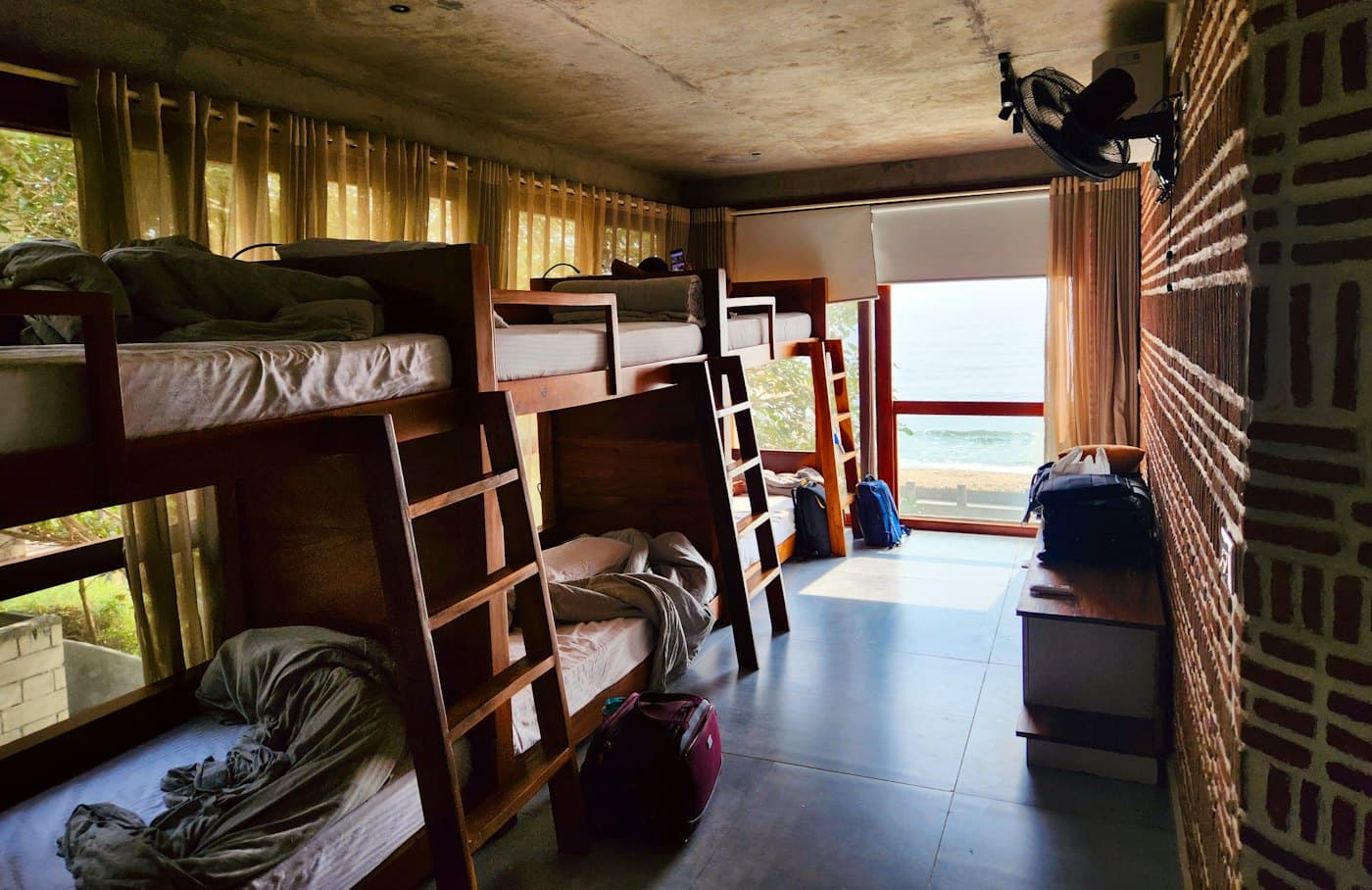
A social hostel with private rooms and a lively lobby. Siam, Bangkok.
The cool, drier season from November to February is the most comfortable, with lower humidity and clearer evenings that suit walking and outdoor dining. It is also the busiest period, so book popular hotels early, particularly around year-end holidays. March to May is very hot, and midday sightseeing can be draining, so plan temples for early morning and keep the afternoons for pools, museums and malls.
The rainy season runs from roughly June to October and brings short, heavy showers that often clear within an hour or two. Many travellers find these months good value, with lower hotel prices and fewer crowds, as long as they carry a light umbrella and plan indoor activities for the afternoons. Whatever the month, pack breathable clothing and something to cover shoulders and knees for temple visits.
Most international flights arrive at Suvarnabhumi Airport, with some budget carriers using Don Mueang. A rail link, taxis and ride-hailing connect the airports to the centre, and journey times depend heavily on traffic, so allow extra time for departures, especially at rush hour.
In the city, the Skytrain and metro are the fastest way to travel in daylight hours and are clean, cool and simple to use. River boats are a pleasant and cheap alternative along the water, and the cross-river ferries are a fun way to reach temples and markets. Ride-hailing or metered taxis cover short trips; ask the driver to use the meter before you set off. Motorbike taxis can beat the traffic on short hops, but they are not for everyone.
As a rough guide, budget rooms and hostels often start from around US$15 to US$40 a night, comfortable mid-range hotels from about US$60 to US$130, and five-star hotels from roughly US$150 upward, with the top riverside names higher. Prices shift with the season and events, so use the rates on our hotel pages as a starting point and confirm with the booking partner for your dates. Remember to check whether breakfast, taxes and service charges are included before comparing two offers.
Check the walking time to the nearest Skytrain, metro or boat pier before you book, because it matters more than distance on a map. If you are travelling with children, a hotel with a pool is a very easy way to reset in the middle of the day. If you value quiet, ask for a higher floor and a room away from the main road. Finally, read recent reviews for comments about noise and air conditioning, which are the two things that most affect sleep in a hot city.
Day 1: Start early in the old city, when the heat is gentler and the temple courtyards are quieter. Visit the Grand Palace area and the large reclining Buddha nearby, then take a cross-river ferry to see the riverside temple with its tall towers. Eat a simple noodle lunch in a local shophouse and rest during the hottest hours. In the late afternoon wander the flower market and the lanes by the water, then catch a river boat at sunset. Finish with dinner at a riverside restaurant, where the view of the lit-up temples across the water makes a fitting end to a first day.
Day 2: Spend the morning on the canals, taking a longtail boat through quieter waterways to see stilt houses and everyday life away from the main roads. Head back by midday and use the Skytrain to reach Siam for air-conditioned relief, with malls, food courts and design shops to browse. Visit a museum or art space if you want something calmer. In the evening take the Skytrain to Sukhumvit for dinner, trying a mix of regional Thai dishes, and finish with a drink at a rooftop bar, where the skyline stretches far into the haze.
Day 3: Choose your pace. Early risers can visit a large weekend market, if your dates allow, or explore Lumphini Park while locals exercise in the cool of the morning. Follow it with a traditional massage, one of the best ways to recover after two days of walking, and a long, slow lunch. In the afternoon, visit a house museum or a quiet garden, or simply return to your hotel pool. For the evening, wander the street-food lanes of Silom or the old town, sample a few small dishes from different stalls and keep room for dessert, such as mango with sticky rice.
Couples tend to be happiest on the river or in a boutique hotel in the old town, where views, spas and quiet evenings set the tone. Look for a room with a water view and consider a package that includes breakfast or a dinner cruise.
Families usually do best around Siam, Sukhumvit or the riverside resorts, where pools, family rooms and easy meals take the pressure off. Check bed configurations, since some rooms are small, and pick a hotel with a lift and a station nearby for tired legs.
Solo travellers will enjoy social hostels and small boutique hotels in the old town or Sukhumvit, where it is easy to meet people and share tips. Choose well-reviewed places with good lighting and a staffed front desk if you will be coming back late.
Budget travellers get the most from guesthouses in the old city, simple hotels in Silom or a hostel near a metro station. A fan-cooled room is cheaper, but in the hot months air conditioning is worth a few extra dollars.
Business travellers should look at Silom, Sathorn and Sukhumvit, where meeting venues, stations and good wifi are close at hand. Pick a hotel with a proper desk, a reliable connection and a short walk to the Skytrain, so that traffic does not control your day.
Visit in the rainy season or shoulder months for the lowest hotel rates, and avoid the year-end holiday peak if your dates are flexible. Staying a few minutes from a station instead of next to it can cut the nightly rate without hurting your plans. Eat where locals eat: street stalls and food courts serve filling meals for very little, and a good meal rarely needs a formal restaurant. Use the Skytrain, metro and boats rather than taxis for daytime trips, and keep taxis for late nights or heavy luggage. Look for rates that include breakfast, compare free-cancellation options with cheaper non-refundable ones, and book early for popular weekends. A few nights outside the centre can be cheaper still, as long as a station is nearby.
Bangkok is generally welcoming, but common sense helps. Agree on the taxi meter, be wary of strangers who say a sight is closed and offer to take you elsewhere, and keep an eye on your bag in crowded places. Drink bottled or filtered water and take care with ice from unknown sources if you have a sensitive stomach.
Dress modestly at temples, with shoulders and knees covered, and remove your shoes where signs ask. Greet people with a slight bow and a smile, and avoid touching anyone's head. Show respect for the royal family and for images of the Buddha, since disrespect is taken seriously. Keep your voice calm in disputes, because patience works better than anger. Carry some small cash for markets and boats, and a light layer for strongly air-conditioned malls and trains.
Sukhumvit and Siam are the easiest, thanks to Skytrain access, plenty of restaurants and a wide range of hotels. Choose the riverside if you want a calm, scenic base and do not mind using boats. The old city is great for temples but has fewer transport links, so it suits those with a flexible plan.
Three full days covers the main temples, a river or canal trip, markets and some food stops at a comfortable pace. Add a day or two if you want day trips outside the city, spa time or a slower schedule, especially in the hot months when midday breaks are essential.
Compared with many global cities it offers strong value. You can find comfortable mid-range stays and even five-star hotels at prices that would only buy a basic room elsewhere. Rates rise at year-end and during big events, so compare several dates and check what is included in the price.
No. Rail, boats, ride-hailing and taxis are much faster and less stressful than driving in the city's heavy traffic, and parking is limited. If you plan a day trip, a driver or an organised tour is usually easier than renting a car yourself.
Usually during the rainy season, from around June to October, outside major holidays. Showers tend to be short, so many visitors find this a good trade for lower rates and thinner crowds. Early in the cool season, before the year-end peak, can also offer better prices.
Most central areas are busy and fine in the evening, but use the same care you would in any large city. Stay on well-lit streets, keep valuables out of sight, use metered taxis or ride-hailing late at night, and avoid accepting unexpected offers from strangers.
Cover your shoulders and knees, and wear shoes that are easy to remove. Light, loose cotton or linen keeps you cool while staying respectful. Carry a thin scarf or shawl in your bag, and remember to take off your hat and sunglasses when entering inner halls where signs ask.