What to Check in Hotel Photos Before You Book
22 March 2026 · 4 min read
Hotel photos can flatter or mislead. Learn which details to inspect so the room you book matches the room you imagined.
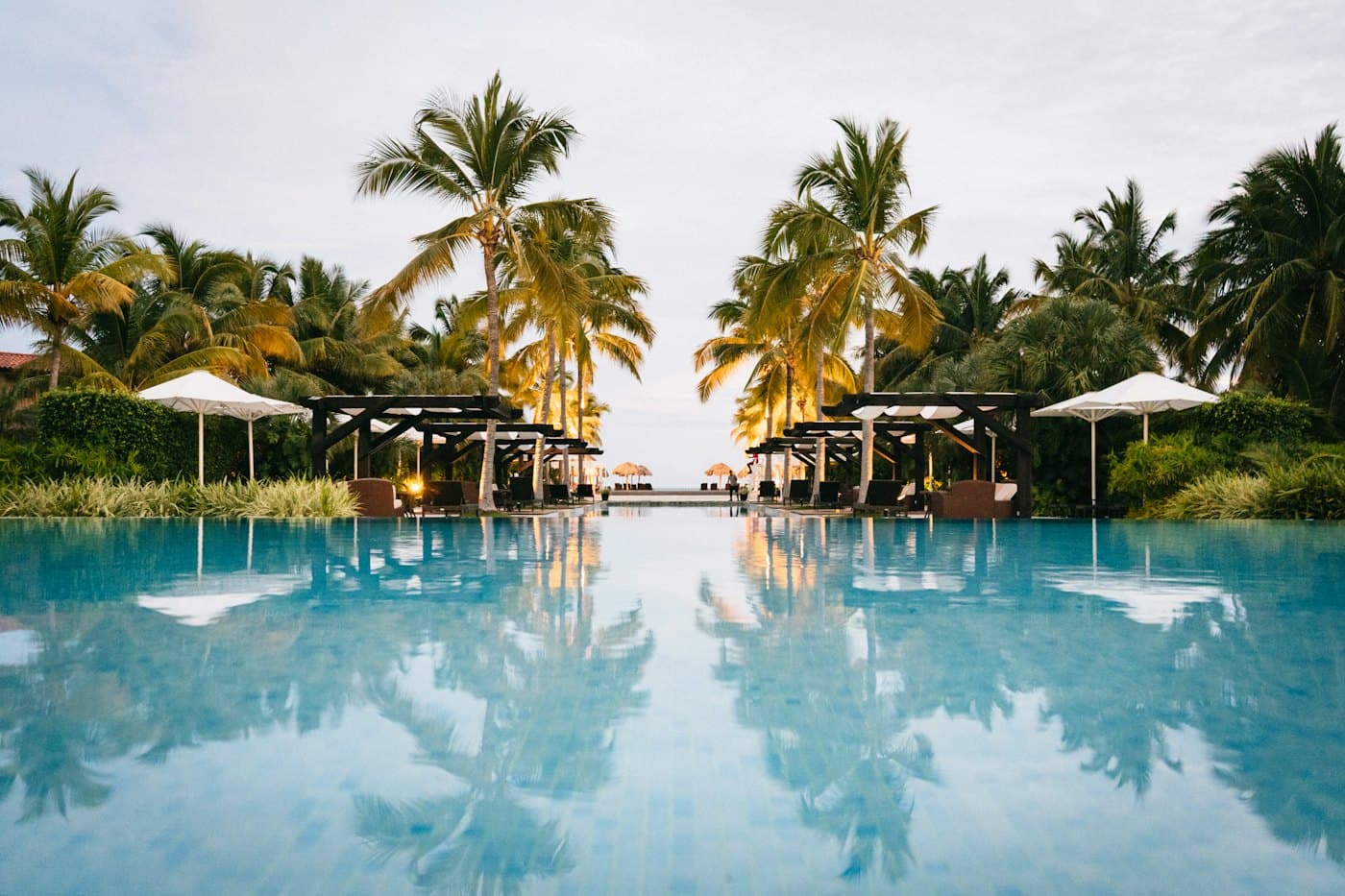
Photos are the first thing most travellers look at when choosing a hotel, and they are also the easiest thing to misread. Professional images are shot with wide lenses, careful lighting and staged furniture, all designed to make rooms look larger and brighter than they feel in person. That does not mean photos are dishonest, only that they need to be read with a critical eye. With a little practice you can learn to spot useful clues about size, condition, cleanliness and location. This guide shows what to look for in hotel photos and how to combine them with other information to make a confident decision.
Understand how hotel photography works
Hotel photographers typically use wide-angle lenses, which stretch the perspective and make a room seem more spacious. Bright, even lighting hides dark corners, and furniture may be arranged or removed for the shoot. Pictures are also often taken at the best time of day, with curtains open and the view at its most flattering. None of this is unusual, but it means you should treat a photo as the best case rather than the typical one. Look for several angles of the same room, because a property confident in its rooms usually shows the bed, bathroom, desk and window separately.
Judge room size from clues
Since wide lenses distort space, look for objects of known size to calibrate. A standard bed, a door, a chair or a kettle can help you gauge proportions. Count how many people could stand beside the bed, and check whether a suitcase could be opened on the floor. Compare the stated room size with the photo; if the listing gives a figure in square metres, check whether it matches your impression. Twin or double room photos that show only the bed from above often hide how tight the walkway is. In dense cities such as Tokyo or Hong Kong, compact rooms are normal, so size comparisons should match local expectations.
Look closely at the condition
Small details reveal how well a property is maintained. Check the edges of the photo for worn carpet, scuffed walls, stained ceilings or tired furniture. Inspect bathrooms for cracked tiles, mould near the grout and old fixtures. See whether bedding looks fresh and whether the mattress sits on a solid base. Outdated decor is not necessarily a problem if the room is clean and comfortable, but visible damage deserves caution. Pay attention to whether all photos look consistent. A hotel that mixes glossy lobby shots with only one or two blurry room images may be hiding something about the rooms themselves.
Check the view and the surroundings
A listing may advertise a sea view or city view, but the photo might be taken from a different floor or a different room type. Check whether the picture is labelled as belonging to the exact room you are booking. Look at what is visible from the window: a neighbouring wall, a construction site or a busy road can matter far more than the headline view. Exterior photos can show how close the hotel sits to main roads, nightlife or railway lines. Use a map alongside the pictures and zoom into street-level imagery to see what the area is really like.
Spot the features that matter to you
Decide in advance what you care about and scan for it. Desk and plug sockets matter for remote workers, a bathtub or shower type matters for families, blackout curtains matter for light sleepers, and a balcony matters if you want outdoor space. Look for air conditioning units, which are essential in tropical climates, and check for a kettle, fridge or safe. In bathrooms, notice whether the shower is separated or whether water sprays across the whole room, which is common in some compact Asian hotels. Anything you cannot see in the photos is worth confirming with the hotel directly before booking.
Compare official photos with guest photos
Guest-uploaded images are often the most revealing, because they show real rooms at ordinary times of day without professional styling. Compare them with the official gallery. If the guest photos show a similar standard, you can trust the listing more. If they look dramatically different, treat the glossy pictures with suspicion. Pay attention to the dates of guest images, since renovations can change a property considerably, and recent photos are more reliable than old ones. Written feedback adds context; look for repeated comments about size, noise or cleanliness, because patterns are more reliable than single opinions.
Red flags and a quick checklist
Be cautious when a listing has very few photos, only exterior or lobby shots, or images that look like generic stock pictures. Watermarks from other websites, inconsistent furniture across photos or rooms that appear in different styles under the same name are also warning signs. Before booking, run through a short checklist: does the room type match the pictures, is the bathroom shown, do guest photos agree, and is the surrounding area acceptable? If anything remains unclear, send the hotel a brief message and ask. A clear, prompt answer is itself a good sign about how the property treats its guests.
Written by the Hoko Travel editorial team. Details such as prices and opening hours can change, so please check official sources before you travel.
Keep reading
Tips · 4 min read
How to Read Hotel Reviews Without Getting Misled
A score of 8.8 can mean very different things. Learn what to look for beyond the headline number.
30 September 2026
Tips · 4 min read
Japan Hotel Etiquette: What First-Time Visitors Should Know
Slippers, shared baths, quiet hours and tipping: a short guide to staying politely in Japan.
8 August 2026
Tips · 4 min read
How Hotel Price Comparison Works (and How to Get the Best Rate)
Why prices differ between sites, what 'from' prices mean, and a simple routine for booking at a fair rate.
2 July 2026