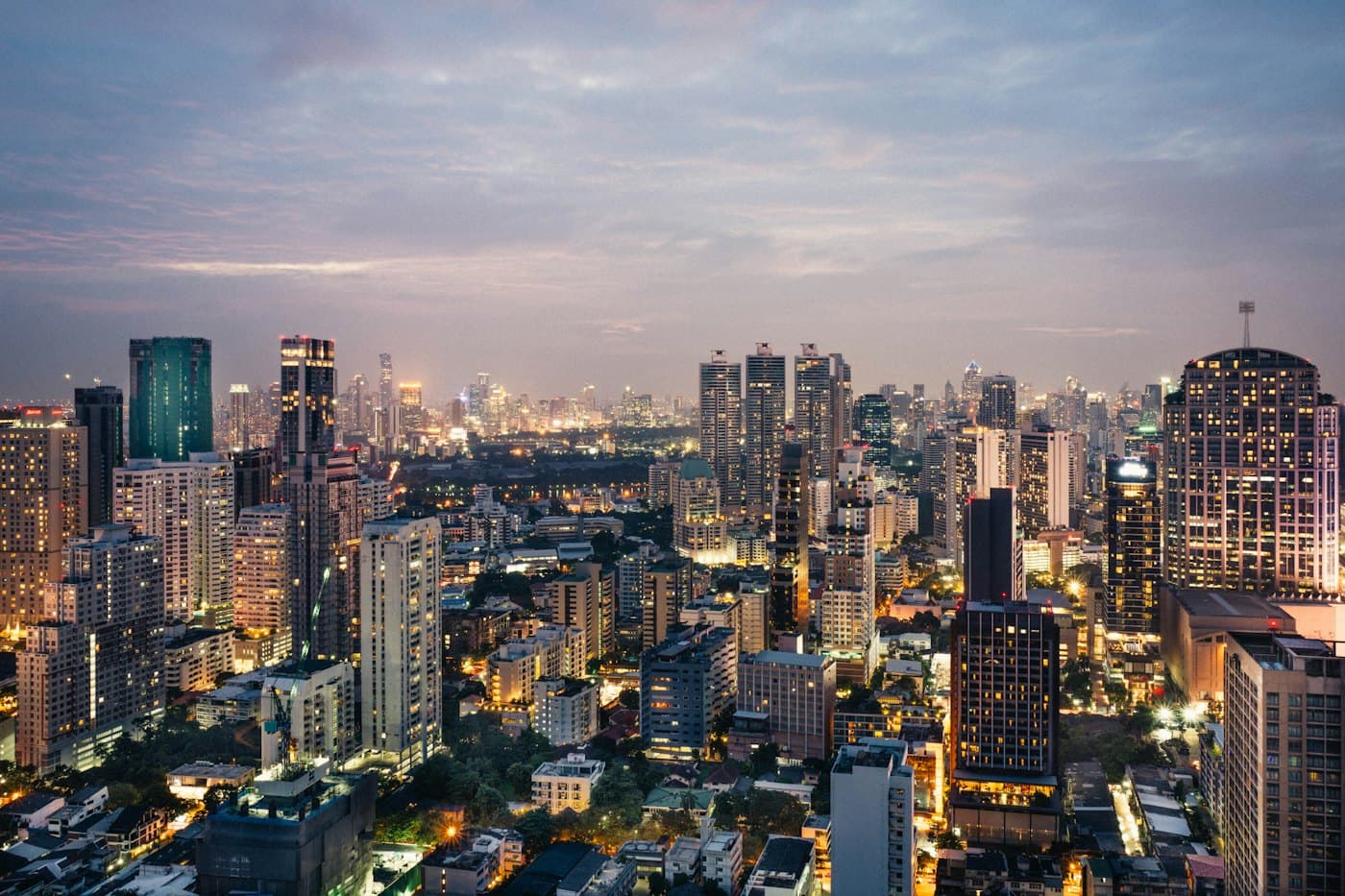
Three Days in Bangkok: An Easy First-Timer Itinerary
12 September 2026 · 4 min read
Temples, river life and one unforgettable night market, in a plan that does not exhaust you.
Bangkok can feel overwhelming, but three well-planned days are enough to see its highlights without burning out. The city is huge, hot and busy, so the secret is to group sights by area, use the river and the trains to avoid traffic, and leave room for long meals and a rest in the hottest hours. This plan is built around that idea. It is deliberately gentle, with one main focus in the morning, a break in the middle of the day and something atmospheric in the evening. Swap days around if the weather or opening hours demand it, but try to keep the grouping.
Day one: the old city and the river
Start early at the Grand Palace, before the heat and the crowds build. Dress modestly with covered shoulders and knees, and bring a light scarf in case you need it. Walk to Wat Pho to see the huge reclining Buddha, then take a short cross-river ferry to Wat Arun, whose towers are especially beautiful in the late afternoon light. Have lunch at a simple riverside restaurant, rest in the early afternoon, and return in the evening for dinner on the water. Expect queues at the palace, and allow a generous amount of time for security checks and the dress code.
Day two: markets, malls and the modern city
If it is a weekend, spend the morning at Chatuchak Market, a huge market with thousands of stalls selling clothes, plants, homeware and snacks. Bring water, wear light clothes and keep your bag in front of you. Go early, because the heat builds fast. In the afternoon, cool off in the air-conditioned malls around Siam, visit an art gallery or browse the shops, and have a late coffee. In the evening, head to a rooftop bar for views of the city lights. Many rooftop venues have dress codes, so check before you go and avoid flip-flops.
Day three: canals and street food
Take a long-tail boat through the quiet canals of Thonburi, where wooden houses and temples line the water, and see a side of the city that feels far from the traffic. Agree the route and price before boarding. In the afternoon, visit a museum or take a cooking class, which is a good way to learn about the ingredients you have been eating. At night, go to Yaowarat, the Chinatown district, where street food stalls open as the neon signs come on. Go hungry, share plates and try a little of everything.
Getting around
Use the Skytrain and metro for most trips, boats along the river, and ride-hailing or metered taxis for the rest. Avoid driving yourself. Allow extra time in rush hours, roughly 7 to 9 am and 4 to 8 pm, when even short journeys can double in length. Rail stations often connect to malls by covered walkways, which makes walking in the heat far easier. Keep small notes for tickets and ferries, and ask your hotel to write the name of your next destination in Thai so you can show it to a driver if needed.
Where to stay
Riverside hotels are lovely and calm but usually need boats or taxis for sightseeing, so they suit travellers who want a restful base. Sukhumvit and Siam are the easiest for first-timers because of rail access and the sheer number of restaurants. If you are on a budget, look at hotels near stations in Silom and Sathorn, where you get good connections and a mix of office-district energy and local food. Whichever area you pick, aim for a short walk to a station, and read recent reviews for comments about noise from the street.
Food and rest
Eat small and often. Street stalls, food courts in malls and simple local restaurants are all good, and busy stalls with quick turnover are usually the safest choice. Drink plenty of water, and do not be afraid of an air-conditioned afternoon break. Many visitors try to fit in too much and end up exhausted by the second evening. A swim or a massage in the middle of the day resets your energy and makes the evening far more enjoyable. If you tire easily, drop one sight per day without guilt.
A few practical tips
Carry a small bottle of water and a light scarf for temples. Keep small notes for street food. Be wary of strangers who offer free tours or tell you that a temple is closed, a common tactic to redirect visitors to shops. Use official ticket offices and metered taxis, and insist on the meter or use a ride-hailing app with a fixed price. Keep copies of your passport and booking on your phone, and carry some sun protection. With a little preparation, three days feels relaxed rather than rushed.
Ready to book your stay in Bangkok?
Compare hotels, areas and indicative prices.
Written by the Hoko Travel editorial team. Details such as prices and opening hours can change, so please check official sources before you travel.
Keep reading
Itineraries · 4 min read
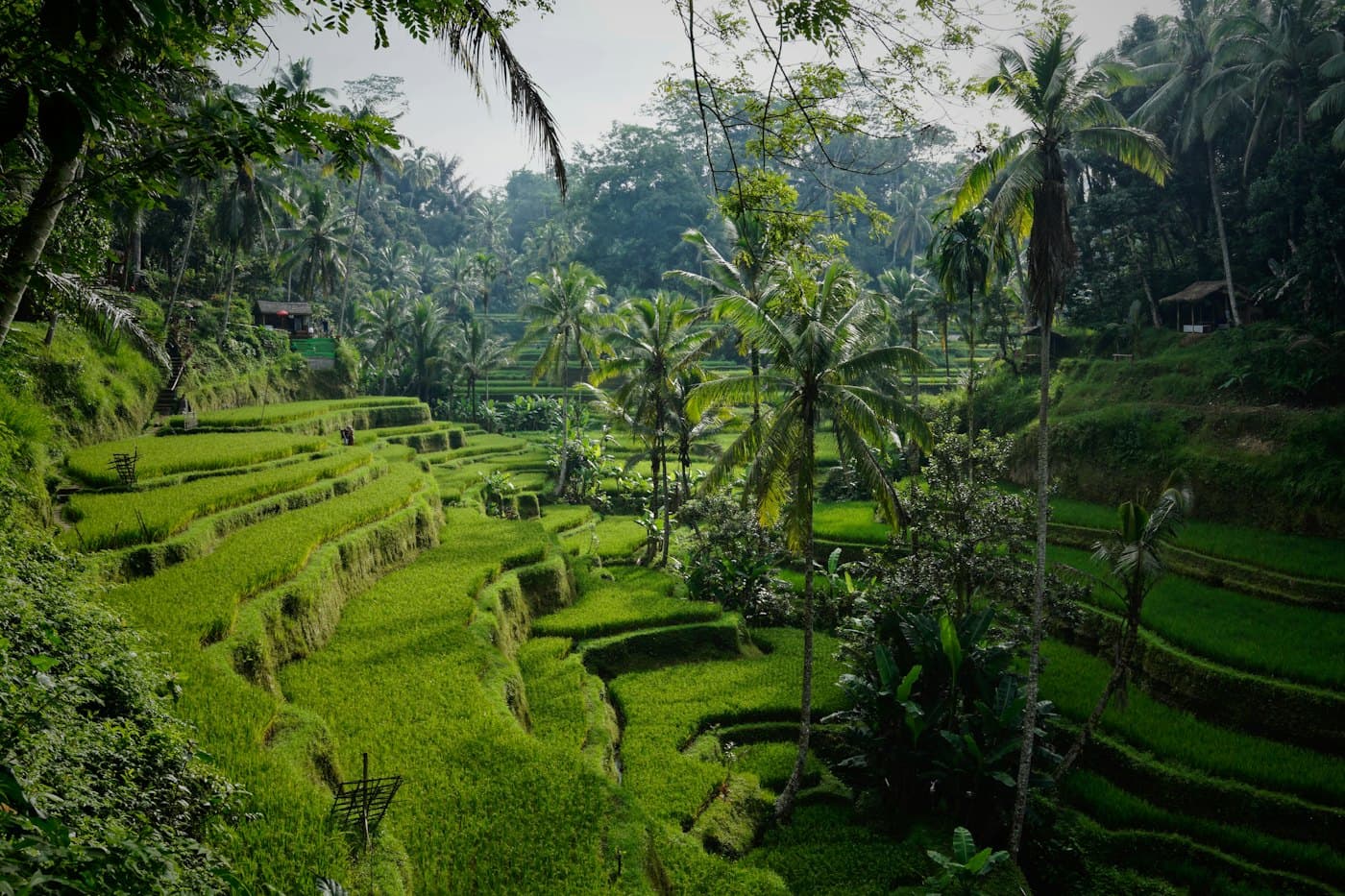
A Slow Week in Bali: Beach, Jungle and Cliffs
Split your time across three bases and you will see three completely different sides of the island.
25 August 2026
Itineraries · 4 min read
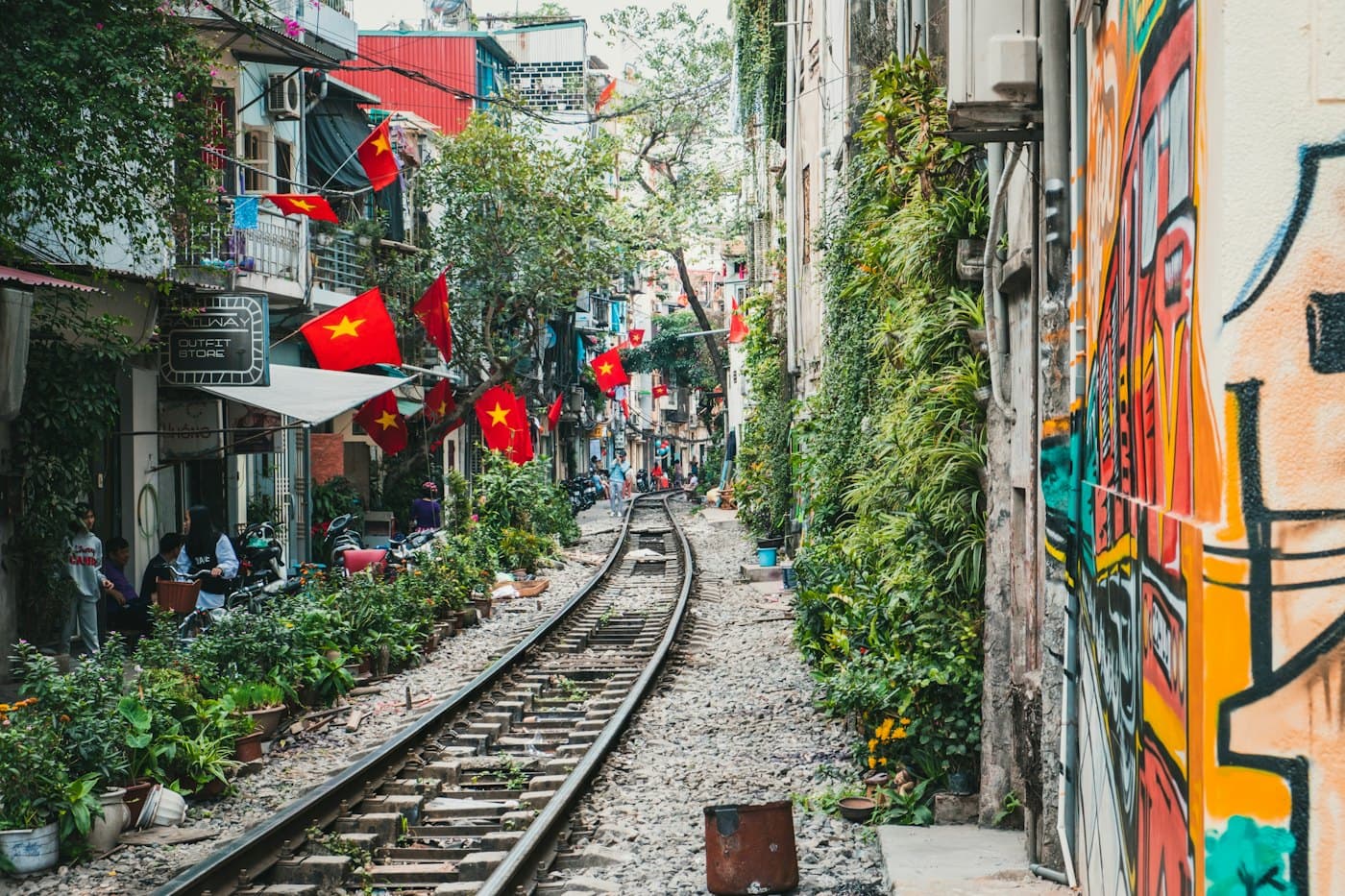
10 Days in Vietnam: Hanoi to Ho Chi Minh City
A classic north-to-south route with hotel tips for each stop, from the Old Quarter to the Mekong.
18 June 2026
Itineraries · 5 min read
Ubud or Seminyak? How to Choose Your Bali Base
Rice terraces and culture in Ubud, or beaches and nightlife in Seminyak? A clear guide to picking your Bali base.
28 February 2026