Monsoon Travel: How to Enjoy Asia in the Rainy Season
29 April 2026 · 4 min read
Rainy-season travel can mean green landscapes and fewer crowds if you plan for the weather.
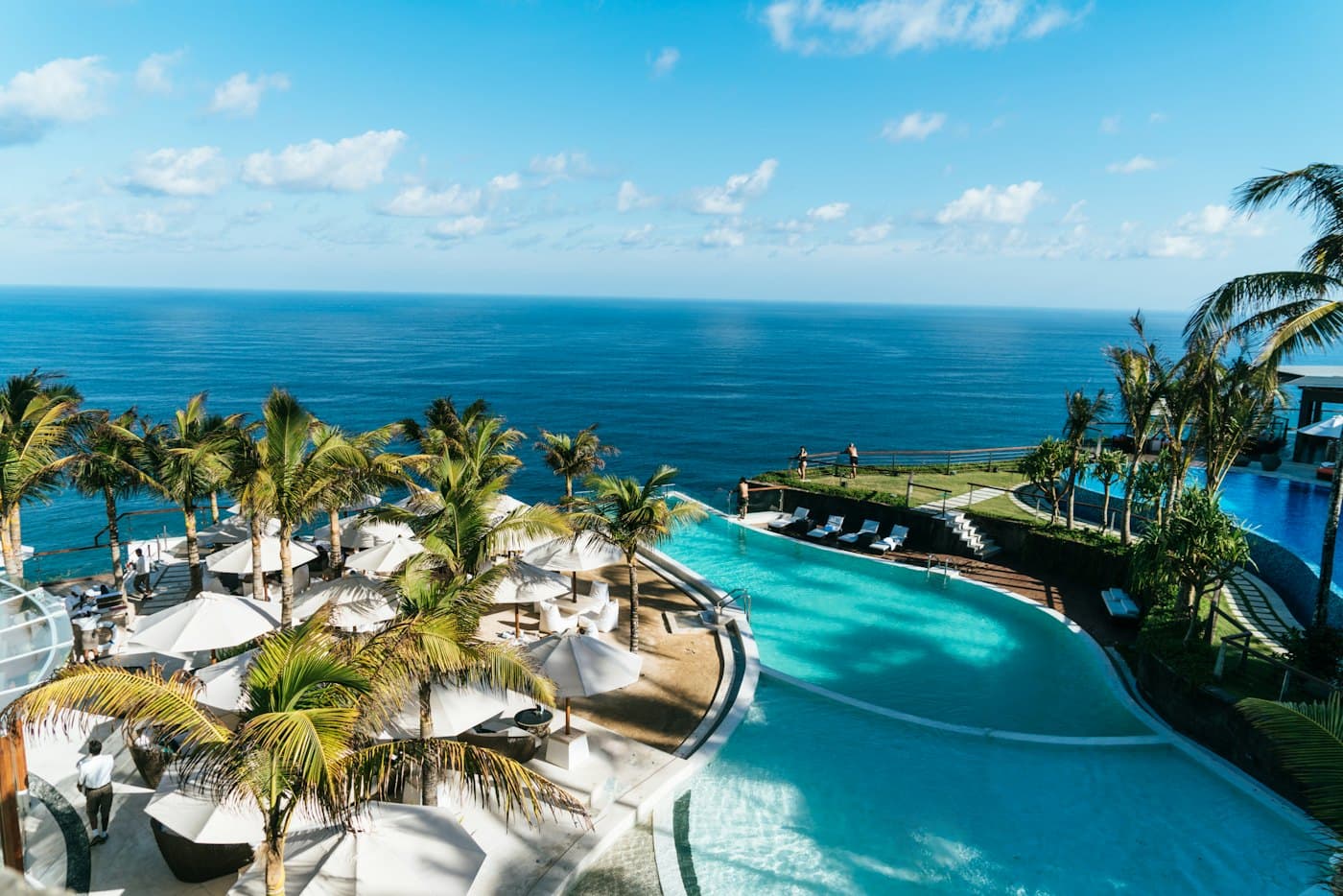
Many travellers avoid Asia's rainy season, yet it has real advantages. Landscapes turn lush and green, waterfalls run strongly, and popular sights are often less crowded. Accommodation can also be easier to find, and some properties offer lower rates or added value. The key is to understand that monsoon weather rarely means rain all day. In many places it arrives as heavy bursts, often in the afternoon or evening, with sunshine in between. With flexible planning and the right gear, you can have an excellent trip. This guide explains how to approach the season.
Know that seasons differ by region
Asia is huge, and the rainy season does not arrive everywhere at the same time. Parts of Southeast Asia, South Asia and East Asia each have their own patterns, and coasts on opposite sides of the same country can have different wet and dry periods. Check the climate information for your exact destination rather than assuming. National weather services and tourism boards publish seasonal guidance, and it is worth reading before you choose where to go. If you want some rain but not too much, look at the shoulder months at the start or end of the wet season.
Choose destinations that suit wet weather
Some places are naturally good in the rain. Cities with museums, markets, cafes, shopping centres and cooking classes offer plenty to do indoors, while rainforests and tea plantations look their best when moist. Beach and island holidays can be more difficult, as seas may be rough and some boat services reduce or stop. If the coast is your goal, check whether ferries and tours operate in your dates, and keep a plan B inland. A mix of city and countryside, with shorter stays in each place, helps you adapt to the weather.
Pick the right hotel
In the rainy season, a hotel becomes more than a place to sleep. Look for properties with comfortable common areas, covered walkways, a good restaurant, and perhaps a spa or gym, so a wet afternoon is not wasted. Check that rooms have effective air conditioning or a dehumidifier, since humidity can make rooms feel damp. Read recent reviews for comments about drainage, roof leaks and musty smells. Choose a location near a station or main road so that you do not have to wade through flooded streets, and prefer rates with free cancellation in case conditions change.
Pack for rain and humidity
A lightweight rain jacket or poncho is more practical than an umbrella in strong wind, though a compact umbrella is still useful in cities. Wear quick-drying clothes, and avoid heavy cotton that stays wet. Sandals with good grip or waterproof shoes help on slippery paths, and a spare pair of socks makes a big difference. Protect your phone, passport and cards with waterproof pouches, and line your backpack with a dry bag. Pack insect repellent, since mosquitoes can increase after rain, and bring a small towel. Keep electronics in sealed bags when you are out and about.
Be flexible with your schedule
Build a looser itinerary and keep the first half of the day for outdoor plans, as rain often falls later. Leave a free day or two as a buffer, and avoid tight connections between flights, boats and trains. Check transport updates on official channels, and allow extra time for traffic, since roads can slow down in heavy rain. Many attractions remain open, but trails, viewpoints and water activities may close if conditions are unsafe. Always follow the guidance of local guides and staff, and do not insist on activities they advise against.
Stay healthy and safe
Wet conditions bring particular health risks. Mosquito-borne illnesses can be more common in some areas, so use repellent, wear long sleeves in the evening and sleep in rooms with screens or nets when needed. Speak to a travel health clinic before you go for advice that fits your route. Be careful with street food and drinking water, and avoid walking through floodwater, which can hide hazards and contamination. Take care on slippery steps and tiled floors. If you plan to ride a motorbike, remember that wet roads increase the risk, and consider safer transport during heavy rain.
Enjoy what the season offers
The rainy season has a charm of its own. The air feels fresher after a downpour, rivers and waterfalls are dramatic, and rice terraces glow with fresh green. Cafes and markets feel cosy, and local people often welcome visitors who come outside the busy period. Use the quiet to visit popular sights early, and take time for slow activities such as cooking classes, massage, reading or long meals. Take photographs of mist and clouds, which add atmosphere that sunny days cannot match. A relaxed attitude is the best item to pack.
Before you book
Check the climate for your dates, choose a flexible hotel in a well-connected location, and compare the total price including taxes and cancellation terms. Confirm whether tours and transport run in the season you have chosen, and keep a few indoor options ready. Look at official weather and travel notices shortly before departure, because conditions can change quickly. If you are unsure, consider travel insurance that covers delays and cancellations, and read the policy carefully. With realistic expectations and good preparation, a wet-season journey can be calm, green and memorable.
Written by the Hoko Travel editorial team. Details such as prices and opening hours can change, so please check official sources before you travel.
Keep reading
Planning · 5 min read
How to Pick the Right Neighbourhood Before You Pick the Hotel
In big Asian cities, the area you sleep in matters more than the star rating. Here is a simple way to choose.
28 October 2026
Planning · 3 min read
Planning a Two-Week Asia Trip: Three Route Ideas
Three sample routes for two weeks in Asia, plus advice on pacing, flights and choosing hotels along the way.
27 October 2026
Planning · 3 min read
Digital Nomad Basics: Choosing a City and a Base in Asia
What remote workers should check before picking a city and a place to stay, from connection and time zone to visas.
16 October 2026