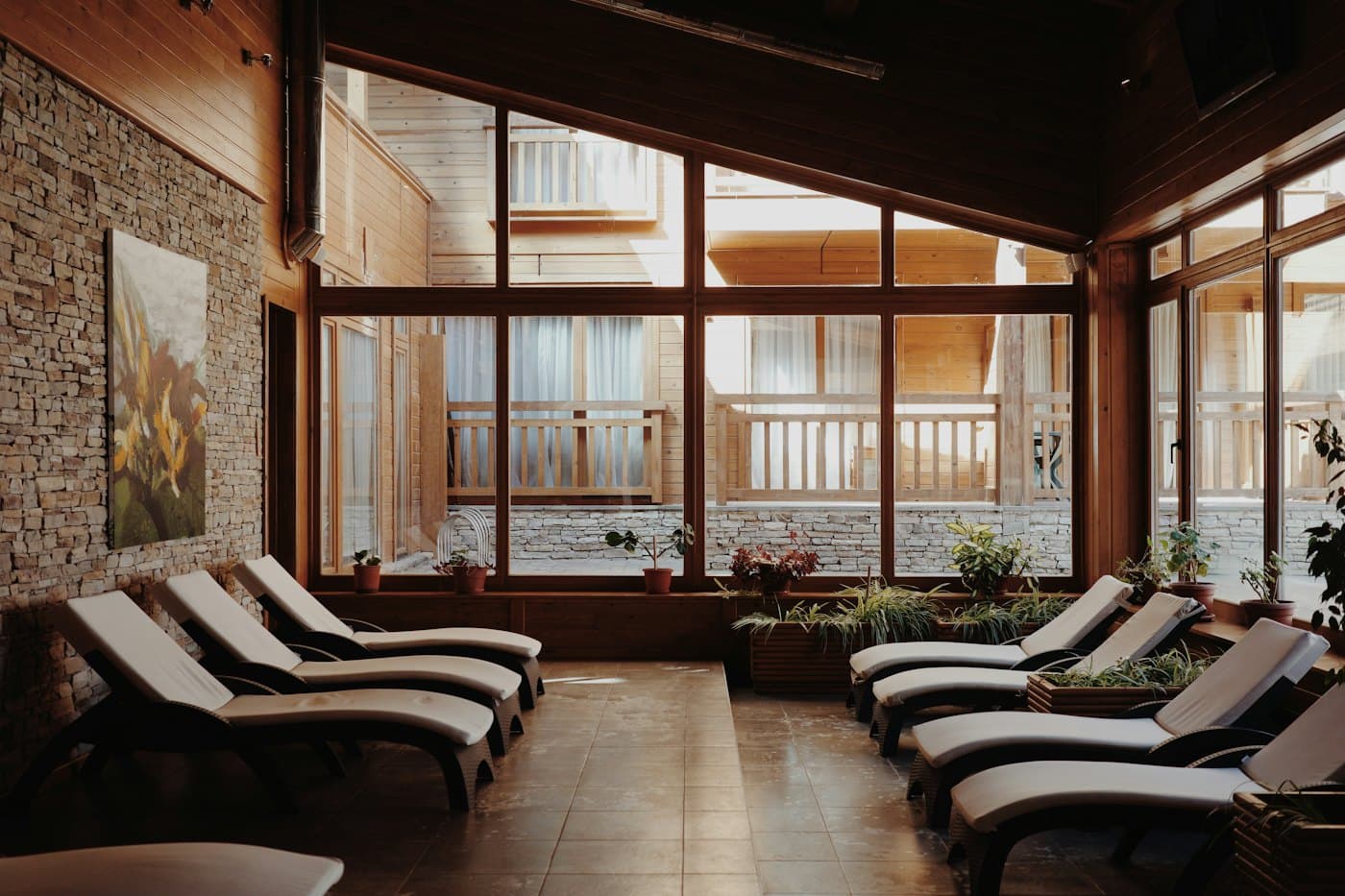
Long Stays: Booking a Hotel for a Month in Asia
21 April 2026 · 4 min read
Planning a month in one place? Here is how to choose a hotel or serviced option, negotiate rates and make a long stay feel like home.
Staying a month in one place changes the way you choose accommodation. A hotel that is perfect for three nights can become frustrating after three weeks if the room is cramped, the food routine gets old or the daily cost adds up. Asia is well suited to long stays, with many cities offering serviced apartments, extended-stay hotels and ordinary hotels that welcome longer guests at reduced rates. This guide explains how to plan a month-long booking, which features matter most over time and how to keep costs under control while still feeling comfortable and settled.
Hotel, serviced apartment or something else
For long stays, think about the balance between service and independence. A regular hotel provides daily housekeeping, reception support and often a restaurant, but a small room and no kitchen can feel limiting. Serviced apartments give you a kitchen, living space and sometimes a washing machine, with weekly cleaning and some hotel-style services. Guesthouses and small apartments can be even cheaper but offer fewer services. Choose based on how you plan to live. If you will work from the room and cook some meals, a serviced apartment is usually more comfortable. If you want full service and little responsibility, a hotel still works.
Ask for a long-stay rate
Many properties price longer stays differently from short ones, and the posted nightly rate is often only the starting point. Contact the hotel directly, explain your dates and ask for a monthly or extended-stay rate. Some offer a reduced price, free laundry credits, included breakfast or fewer housekeeping visits in exchange for a commitment. Flexibility on dates sometimes helps, as does booking outside peak season. Always get the agreed price, inclusions and cancellation terms in writing. Clarify whether taxes and service charges are included, and how payment will be handled, whether in full upfront or in instalments.
Check the practical features
Over a month, small conveniences become important. Look for a comfortable bed, a desk and chair suitable for working, strong air conditioning or heating depending on the climate, and reliable internet that stays fast when the building is busy. Laundry facilities, either in-room or on site, save a lot of time and money. A kitchen or at least a fridge, kettle and microwave makes meals easier. Storage space matters, since you will unpack properly. Natural light, noise levels and a quiet environment make a surprising difference to mood and productivity when you spend most days in the same room.
Choose the neighbourhood like a resident
When you stay a month, you are living in the area, not just visiting. Look for supermarkets, pharmacies, cafes, markets and laundries within a short walk. Check how easy it is to reach public transport, and whether the streets feel safe in the evening. Consider noise from nightlife, construction or traffic, which you may tolerate for a few nights but not for thirty. Walkable neighbourhoods with local food at fair prices help reduce costs. If possible, look at street-level images and guest comments before booking, and think about the commute to anything you will do regularly.
Visas, rules and paperwork
Before you commit to a month, check the entry rules for your destination. Visa-free stays are often limited to a certain number of days, and a month may sit close to or beyond that limit depending on your nationality. Confirm the requirements through official government sources, not hearsay. Some places require accommodation details for visa applications, and extended stays may need registration with local authorities, which the hotel can often help with. Keep your passport copy, booking confirmation and proof of onward travel accessible. Travel insurance that covers a longer period is also sensible, and you should check whether your policy limits trip length.
Keep your budget realistic
Calculate the total cost, not just the nightly rate. Add food, laundry, transport, utilities and any cleaning fees, then divide by the number of days. A cheaper room far from the centre may cost more in daily transport. Eating at local places rather than hotel restaurants usually saves a great deal, and a kitchen helps further. Consider a small buffer for unexpected costs such as medical needs or equipment. If the stay is part of remote work, check whether the setup supports your working hours and time zone, because a poor internet connection can end up costing far more than the saving on rent.
Make the room feel like home
Small touches help a long stay feel settled. Ask whether you can have extra hangers, a second pillow or a desk lamp, and buy a few inexpensive items such as snacks, tea and a plant or two. Establish routines, find a favourite cafe and learn a few words of the local language. Keep your documents organised and share your address with someone back home. Review the arrangement after the first week; if something is not working, speak to the management early, since they are often willing to change rooms or adjust arrangements to keep a longer-staying guest happy.
Written by the Hoko Travel editorial team. Details such as prices and opening hours can change, so please check official sources before you travel.
Keep reading

Tips · 4 min read
How to Read Hotel Reviews Without Getting Misled
A score of 8.8 can mean very different things. Learn what to look for beyond the headline number.
30 September 2026

Tips · 4 min read
Japan Hotel Etiquette: What First-Time Visitors Should Know
Slippers, shared baths, quiet hours and tipping: a short guide to staying politely in Japan.
8 August 2026
Tips · 4 min read
How Hotel Price Comparison Works (and How to Get the Best Rate)
Why prices differ between sites, what 'from' prices mean, and a simple routine for booking at a fair rate.
2 July 2026