
Boutique Hotels in Asia: Why They Are Worth Choosing
11 June 2026 · 4 min read
Small, characterful hotels can offer warmer service and a stronger sense of place, if you know what to check.
A boutique hotel is usually a small property with a clear personality. It might occupy a restored shophouse, a converted warehouse or a purpose-built design hotel with only a few dozen rooms. Across Asia, boutique stays have grown popular because they offer something large chains often cannot: a strong sense of place and personal attention. They are not automatically better, and some are simply expensive for what they provide. This guide explains what makes a good boutique hotel, what to check before booking, and the kind of traveller who benefits most.
What boutique really means
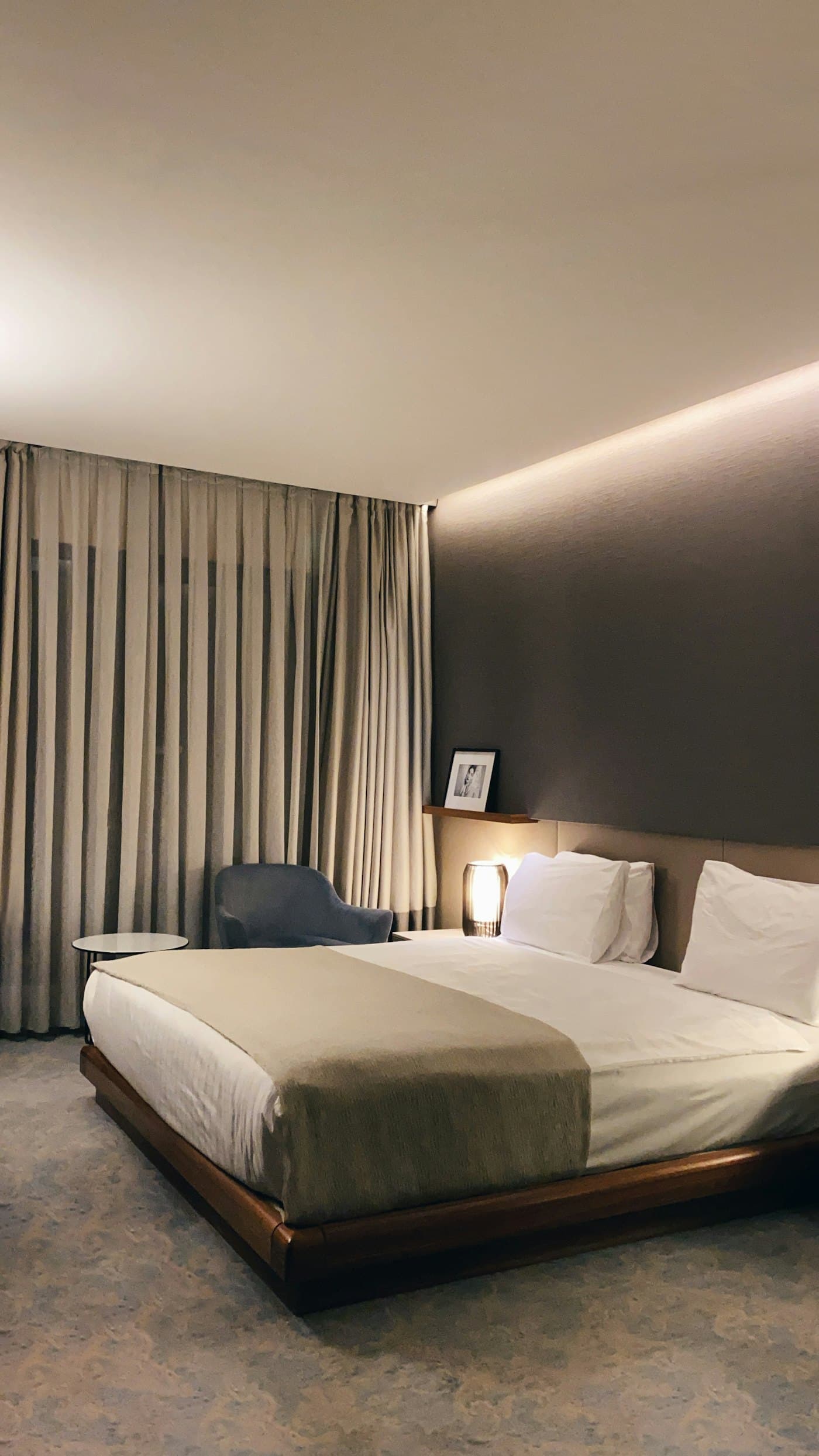
There is no official definition of a boutique hotel, so the word is used loosely. In general it describes a small property, often with fewer than fifty rooms, with a distinctive design and a focus on character over standard facilities. You will often find local art, handmade furniture, regional materials and a thoughtful food offer. Treat the label as a starting point and not a promise. Read the description and look at real guest photos to see whether the character is genuine or just a theme applied to an ordinary building.
Service that feels personal
With fewer rooms, staff can learn your name, your habits and your plans. Good boutique hotels use this well: recommending a family-run restaurant, arranging a driver at a fair price, or storing luggage without fuss on the last day. Many guests remember this warmth long after they forget the thread count of the sheets. When you read reviews, look for specific stories about staff helping with problems. These are better signs than general praise, because they show how the team behaves when something goes wrong.
Location and neighbourhood
Boutique hotels are often found in older, characterful districts, which suits travellers who like to wander. In places such as old quarters, heritage streets and creative neighbourhoods, you can step outside into local life. The flip side is that streets may be narrow, and a taxi or car may not reach the door. Check the access instructions and ask how far the nearest main road or station is. If you arrive late at night with heavy bags, a short walk through unlit lanes may be less charming than it sounds.
Know the limits of a small property
Small hotels cannot offer everything. Many have no gym, no large pool, limited restaurant hours and a front desk that is not staffed around the clock. Lifts may be absent in converted buildings, which matters if you have mobility needs or a lot of luggage. Rooms can vary a great deal in size, so a photo of the best room may not match yours. Read the amenities list closely and write to the hotel if something is essential. A clear, friendly reply is a good sign.
Value is more than price
Boutique rates are often higher than those of basic hotels of similar size, so ask what you are paying for. Good value shows up as comfortable beds, quiet rooms, honest breakfast, good air conditioning and thoughtful touches. Poor value shows up as style without substance, such as dim lighting, thin walls or a shower that is hard to use. Compare reviews from the last few months and look for repeated comments about noise, hot water and cleanliness. These everyday basics matter more than a clever lobby.
Who should choose boutique
Boutique hotels suit couples, solo travellers and anyone who values atmosphere and local flavour. They are excellent for short city breaks, where the hotel itself becomes part of the experience. They can be less suitable for large families, for travellers who need extensive facilities, or for those arriving on very late flights where reception hours are limited. If you are unsure, consider a two-night boutique stay as a treat within a longer trip, with a larger, simpler hotel for the rest of the journey.
How to book with confidence
Choose dates, then shortlist three small hotels in the area you want. Compare the room types carefully, since small properties often have only a few categories. Check the cancellation policy, because limited inventory sometimes means stricter terms. Message the hotel with any special requests, such as a quiet room, an early check-in or help with a late arrival. Keep the confirmation and the hotel address in a form you can show a taxi driver. With these steps done, a boutique stay can be the most memorable part of a trip.
Written by the Hoko Travel editorial team. Details such as prices and opening hours can change, so please check official sources before you travel.
Keep reading

Ideas · 3 min read
Best Cities in Asia for a Weekend Break
Compact, well connected cities that reward a short stay, plus tips on choosing a hotel for two or three nights.
21 August 2026
Ideas · 3 min read
Wellness Stays: Spa and Yoga Retreats in Asia
How to choose a spa hotel or yoga retreat that genuinely helps you rest, rather than one that only looks calm.
2 August 2026
Ideas · 3 min read
Heritage Hotels: Sleeping in History
Colonial mansions, old courtyard houses and converted palaces can be superb stays, if you set the right expectations.
7 July 2026